In the shadowy realm of Filipino mythology, the Aswang stands as a terrifying entity that both captivates and horrifies. For centuries, tales of this nightmarish predator have thrived, passed down through generations, and igniting fear and fascination in equal measure. The Aswang, a shape-shifting creature of the night, is infamous for its bloodthirsty nature and its ability to blend seamlessly into human society by day. This sinister creature not only serves as a rich subject for folkloric narratives but also offers a lens through which to explore cultural fears and societal values. Journey with us as we unravel the origins, characteristics, cultural impact, and the modern-day presence of the Aswang in Filipino folklore.
Origins of Aswang
Historical Background
The origins of the Aswang can be traced back to the pre-colonial era of the Philippines, where animistic beliefs and indigenous spiritual practices dominated. The term “Aswang” is thought to originate from the word “asaw,” meaning “dog,” reflecting the creature’s ability to transform into various animals, including dogs. Spanish colonization brought about a fusion of native beliefs and Catholicism, further embedding the Aswang into the fabric of Filipino mythology. This hybridization of beliefs created an amalgam of folklore where the Aswang became a representation of evil and the antithesis of Christian virtues.
Historical records from Spanish missionaries and explorers describe the Aswang in detail, noting its prevalence in rural areas and its role in the communities’ oral traditions. These accounts served as both a warning and a tool for colonizers to promote Christian teachings and suppress pre-existing beliefs. The Aswang was often cited as a manifestation of the devil, used strategically to instill fear and encourage conversion to Christianity. Despite these attempts, the Aswang’s image persisted and evolved, maintaining a significant presence in the collective consciousness of the Filipino people.
The historical context of the Aswang reflects broader themes of resistance and adaptation. It exemplifies how indigenous cultures incorporated foreign elements while preserving core aspects of their identity. As a result, the Aswang became a symbol of the enduring legacy of the Philippines’ rich and diverse cultural heritage, transcending its historical roots to remain a potent figure in modern Filipino folklore.
Mythological Significance
Within the tapestry of Filipino mythology, the Aswang holds a prominent position as a manifestation of primal fears and societal anxieties. It embodies the human struggle against unknown and malevolent forces, echoing themes found in myths worldwide. The Aswang’s mythological significance lies in its ability to personify the fear of death, disease, and the disruption of societal order. As creatures of the night, Aswangs are often blamed for unexplained illnesses, deaths, and other misfortunes, offering an otherworldly explanation for the harsh realities of life.
The Aswang serves as a cautionary tale, a cultural tool used to uphold social norms and values. Parents would use the threat of an Aswang attack to deter children from wandering alone at night or misbehaving. This fear-based storytelling reinforced community cohesion and obedience to social hierarchies. The Aswang’s mythological role extends beyond mere fright; it is a mechanism for transmitting cultural values and preserving collective identity amidst shifting socio-political landscapes.
Furthermore, the Aswang myth explores the duality of human nature. By day, Aswangs are indistinguishable from regular people, symbolizing the deviousness hidden beneath seemingly normal facades. This duality questions the nature of good and evil, illustrating how appearances can be deceiving. Through this lens, the Aswang myth offers profound insights into the complexities of morality, identity, and the human condition, continuing to resonate with audiences both past and present.
Description of Aswang
Physical Characteristics
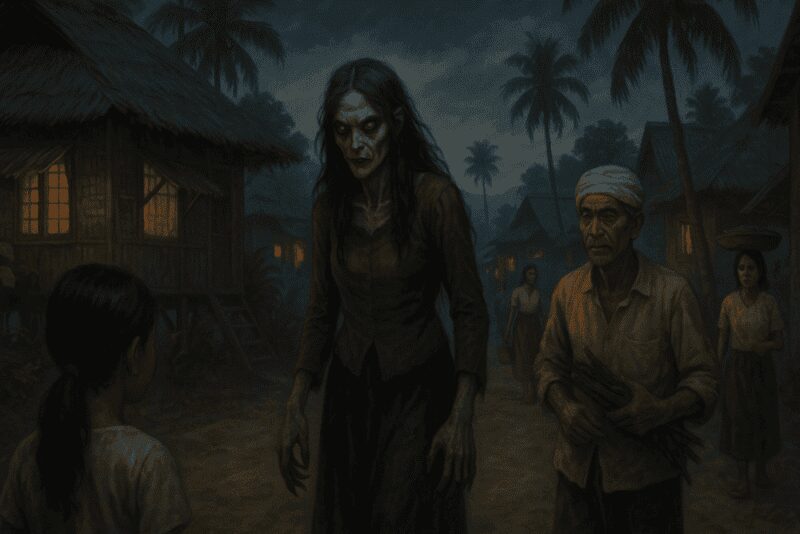
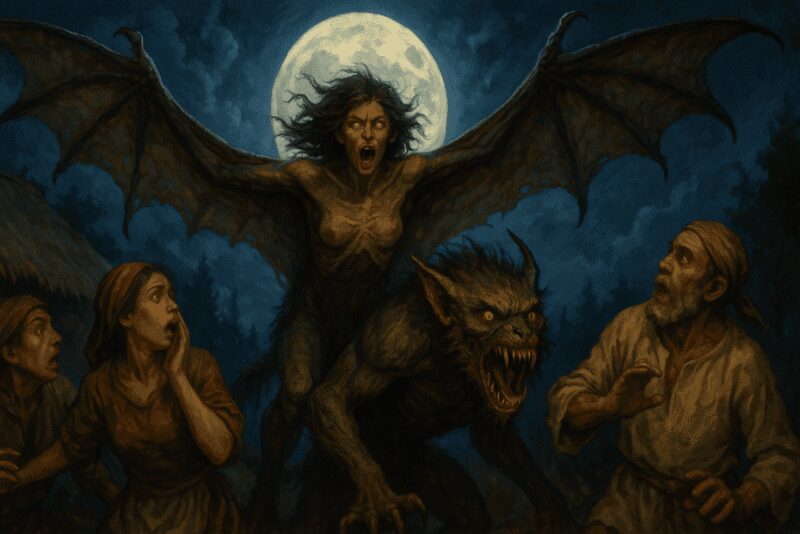
The Aswang is renowned for its ability to shape-shift and assume various forms, making it a master of disguise. In its most common depiction, the Aswang appears as a beautiful woman by day, using its charm and allure to integrate into human society. At night, however, it reveals its true nature — a grotesque creature with features that vary depending on the region and specific folklore. These nocturnal forms often include the appearance of a winged monster, a dog, a pig, or a large bird, emphasizing its animalistic and predatory instincts.
Another distinctive feature of the Aswang is its elongated tongue, which it uses to suck blood from its victims, particularly pregnant women and children. This tongue is said to be prehensile, allowing the creature to feed stealthily through the roofs of homes or open windows, adding to its air of menace and mystery. The Aswang’s eyes are also noteworthy, often described as being reflective or red, enabling it to see in the dark and strike fear into the hearts of those who encounter it.
Despite these terrifying forms, the Aswang’s ability to maintain a human guise makes it particularly dangerous. It is said that Aswangs possess the ability to mimic the appearance and voice of anyone, sowing confusion and distrust within communities. This chameleon-like quality not only amplifies their threat but also underscores their role as symbols of deception and hidden dangers lurking in everyday life.
Behavioral Traits
Behaviorally, the Aswang is characterized by its nocturnal nature and predatory instincts. It is primarily known for preying on humans, with a preference for the blood and flesh of the young and vulnerable. The Aswang is especially feared for attacking pregnant women, as it is believed to have an insatiable hunger for unborn fetuses. This gruesome behavior not only highlights the creature’s malevolence but also reflects societal anxieties surrounding childbirth and the sanctity of family.
The Aswang is also known for its cunning intelligence and stealth. It meticulously plans its attacks, often stalking its prey for days before striking. This calculated approach distinguishes the Aswang from other mythical creatures, making it a formidable and insidious foe. Additionally, the Aswang’s ability to shape-shift and transform into animals allows it to evade detection and capture, heightening its elusive and enigmatic nature.
Despite its fearsome traits, the Aswang is not invincible. Folklore suggests various methods to identify and protect against it, including the use of special items like garlic, salt, and religious symbols. These methods highlight the Aswang’s vulnerability and the belief that, despite their supernatural abilities, such creatures can be outwitted and defeated with knowledge and preparedness. This interplay between the Aswang’s fearsome traits and its vulnerabilities enriches its mythos, offering layers of complexity and intrigue.
Aswang in Culture and Tradition
Role in Folklore
The Aswang plays an integral role in Filipino folklore, serving as both a cautionary figure and a cultural icon. Stories of the Aswang have been recounted for generations, often as part of oral tradition passed down from elders to children. These tales serve to reinforce cultural values, such as the importance of community vigilance and the dangers of straying from societal norms. The Aswang is often depicted as a punitive force, punishing those who defy social conventions or engage in immoral behavior.
In many rural communities, the Aswang is woven into the fabric of daily life, influencing social interactions and practices. Folklore often incorporates the Aswang into local superstitions, with various rituals and practices designed to ward off its malevolent presence. Through these stories, the Aswang becomes a guardian of moral order, ensuring adherence to cultural and spiritual beliefs while also providing a means of explaining the inexplicable.
Beyond its role as a cautionary legend, the Aswang also embodies the struggle for cultural identity in the face of external influences. As a creature that has withstood centuries of colonization and modernization, the Aswang symbolizes resilience and the preservation of indigenous beliefs. It serves as a reminder of the rich tapestry of Filipino folklore and the continued relevance of these stories in shaping cultural identity and community cohesion.
Regional Variations
The depiction of the Aswang varies significantly across the Philippines, reflecting the diverse cultural and geographical landscape of the archipelago. Each region has its own interpretation of the Aswang, with unique characteristics and habits that distinguish it from others. In the Visayas, for example, the Aswang is often characterized as a witch-like figure with a mysterious aura, while in the Bicol region, it is depicted as a fearsome, bird-like creature known as the “Tiktik.”
In the province of Capiz, considered the “Aswang Capital” of the Philippines, the creature is deeply embedded in local culture and folklore. Here, the Aswang is often portrayed as a ghoul that feasts on corpses, reflecting the community’s relationship with death and the afterlife. The province is known for its vibrant festivals and rituals dedicated to appeasing or warding off Aswang spirits, showcasing the deep entwinement of these myths with daily life.
These regional variations not only highlight the adaptability and localization of the Aswang myth but also underscore the creature’s role as a cultural barometer, reflecting the distinct values, fears, and traditions of each community. The diversity of Aswang folklore illustrates the richness of Filipino cultural heritage, demonstrating how a single myth can hold myriad meanings and expressions across different contexts and interpretations.
Legends and Tales
Famous Encounters
Throughout the annals of Filipino folklore, numerous tales recount chilling encounters with the Aswang, each adding layers to its terrifying reputation. One of the most famous stories comes from the province of Capiz, where villagers speak of an Aswang that terrorized their community for decades. According to local legend, this Aswang disguised itself as an elderly woman during the day, gaining the trust of unsuspecting villagers. By night, she transformed into a monstrous creature, preying on livestock and abducting children.
Another well-known tale involves the haunting “Tiktik” of the Bicol region. The Tiktik, a variant of the Aswang, is said to emit a distinctive “tik-tik” sound when it draws near. This sound serves as both a warning and a source of fear, as it becomes fainter the closer the creature gets, disorienting its victims. One harrowing legend tells of a family besieged by the Tiktik during a stormy night, relying on their wits and tradition—such as spreading salt and garlic around the house—to fend off the creature and protect their newborn child.
In modern retellings, the Aswang continues to incite fear and intrigue, with urban legends and contemporary stories amplifying its prominence. Whether through personal anecdotes, community stories, or media portrayals, these famous encounters keep the myth alive, bridging the past and present in a shared cultural narrative. These tales serve as powerful reminders of the Aswang’s enduring presence in Filipino folklore and its role in shaping the collective psyche.
Symbolism and Meaning
The Aswang is more than just a creature of horror; it is a symbol laden with multifaceted meanings that resonate deeply within Filipino culture. At its core, the Aswang embodies the primal fear of the unknown, representing an external threat that lurks within familiar bounds. This fear is compounded by its shape-shifting ability, which symbolizes the duplicitous nature of evil that can hide in plain sight. The Aswang thus becomes a metaphor for the hidden dangers and uncertainties of life, reflecting societal apprehensions about trust, safety, and protection.
Culturally, the Aswang serves as a vehicle for expressing anxieties related to social norms, family dynamics, and human mortality. Its predation on the young and the unborn touches on themes of lineage and preservation, reflecting concerns about the continuation of family and cultural identity. The Aswang’s role in folklore as a moral enforcer also underscores the importance of community vigilance and the collective responsibility to uphold social values.
The symbolism of the Aswang extends to its representation of resilience and cultural continuity. As a myth that has survived colonization and modernity, the Aswang epitomizes the strength and adaptability of Filipino culture. It serves as a testament to the enduring power of storytelling and the ability of folklore to evolve while preserving essential truths and shared experiences. Through its symbolism, the Aswang remains a potent and dynamic figure, continually shaping and reflecting the cultural landscape of the Philippines.
Aswang in Modern Times
Literature and Media
The Aswang has made a significant impact in contemporary literature and media, becoming a fixture in various forms of art and entertainment. Filipino authors have woven the creature into the fabric of modern storytelling, creating a rich body of work that explores the Aswang mythos in new and innovative ways. In the realm of literature, authors such as Budjette Tan and Kajo Baldisimo have integrated the Aswang into their graphic novel series “Trese,” which delves into the supernatural underworld of Manila, blending crime noir with Filipino folklore.
On the silver screen, the Aswang has been the subject of numerous films, both in the Philippines and internationally. Movies such as “Aswang” (1994), directed by Peque Gallaga and Lore Reyes, and “The Road” (2011), directed by Yam Laranas, have brought the creature’s terrifying allure to audiences worldwide. These films often explore themes of identity, morality, and the clash between tradition and modernity, using the Aswang as a vehicle to address complex social and cultural issues.
Video games have also embraced the Aswang, integrating it into digital narratives that engage players with Filipino mythology. Titles like “Bayani: Kanino Ka Kakampi?” and “Nightfall: Escape” provide immersive experiences that allow players to confront the Aswang in virtual environments. Through these mediums, the Aswang continues to captivate new generations, bridging the gap between traditional folklore and contemporary storytelling.
Contemporary Relevance
In today’s world, the Aswang remains a relevant and powerful symbol, capturing the imagination of those who seek to understand the complexities of Filipino culture and identity. As a creature of folklore, the Aswang offers insights into the enduring fears and values that shape societal norms. Its presence in contemporary discussions underscores its role as a cultural touchstone, reflecting both historical experiences and modern-day challenges.
The Aswang’s adaptability allows it to remain pertinent in discussions about cultural identity, colonial legacy, and globalization. As communities contend with issues of cultural preservation and modernization, the Aswang serves as a reminder of the rich tapestry of Filipino heritage that must be safeguarded and celebrated. It stands as a symbol of the resilience and creativity of the Filipino people, embodying the strength and adaptability required to navigate a rapidly changing world.
Moreover, the Aswang continues to inspire dialogue and exploration in academic circles, cultural studies, and popular media. Its ongoing relevance highlights the power of folklore in providing a framework for understanding complex cultural phenomena, offering a lens through which to examine the interplay between tradition, identity, and modernity. As such, the Aswang remains a vital and dynamic figure in the cultural landscape, continuing to evoke fear, fascination, and reflection across generations.
Conclusion
The Aswang remains an enigmatic and multifaceted figure in Filipino folklore, embodying the complexities of cultural identity, societal fears, and the human condition. Its enduring presence in literature, media, and shared storytelling underscores the power of myth to transcend time and connect generations. As both a symbol of terror and resilience, the Aswang continues to captivate the imagination, ensuring its place in the rich tapestry of the Philippines’ cultural heritage.