In the dense jungles and winding waterways of the Congo River Basin, whispers of a mythical creature known as Mokèlé-mbèmbé linger in the air, weaving a tapestry of legend and intrigue. Often described as the African counterpart to the Loch Ness Monster, Mokèlé-mbèmbé has captured the imaginations of explorers, cryptozoologists, and locals alike. Its very name, meaning “one who stops the flow of rivers,” suggests an entity of formidable presence and power. The legend of Mokèlé-mbèmbé offers a fascinating glimpse into the cultural and mythical heritage of the region, inviting those who dare to seek it to unravel the mysteries of this so-called living dinosaur.
Origins of Mokèlé-mbèmbé
Historical Background
The legend of Mokèlé-mbèmbé has roots that stretch back centuries, originating from the oral traditions of the indigenous peoples inhabiting the Congo River Basin. According to these accounts, the creature has roamed the rivers since time immemorial, a relic of an era when dinosaurs were said to dominate the earth. These stories have been passed down through generations, etched into the cultural landscape of the region. The first recorded mention of Mokèlé-mbèmbé by Western explorers dates back to the late 18th and early 19th centuries, when European explorers began venturing into Central Africa. Reports of a massive, water-dwelling creature resembling a sauropod dinosaur elicited both skepticism and fascination, fueling further exploration.
Over time, the story of Mokèlé-mbèmbé became intertwined with colonial narratives of exploration and discovery. As explorers such as Alfred Aloysius Smith and Captain Ludwig Freiherr von Wiese shared accounts of their encounters with the creature, Mokèlé-mbèmbé entered the realm of Western folklore. These accounts, however, were often tainted by misunderstandings and exaggerations, influenced by the exotic allure of the “dark continent.” Despite the many expeditions and investigations, tangible evidence of Mokèlé-mbèmbé’s existence remained elusive, transforming the creature into an enigmatic icon of mystery.
In more recent history, Mokèlé-mbèmbé has become a focus of cryptozoological study, drawing adventurers and scientists alike to the Congo Basin. These modern-day quests seek to balance scientific inquiry with cultural respect, seeking to uncover truth amidst the folklore. While some expeditions have claimed sightings or evidence, concrete proof continues to elude researchers, further cementing Mokèlé-mbèmbé’s status as one of the world’s enduring mysteries.
Mythological Significance
Within the mythos of the Congo River Basin, Mokèlé-mbèmbé is more than just a creature; it is a symbol of primal power and the untamed spirit of nature. The indigenous tribes view it as a guardian of the waterways, its presence a reminder of the delicate balance between man and environment. In many tales, Mokèlé-mbèmbé embodies the strength and majesty of the natural world, a force not to be reckoned with lightly. As such, the creature commands both fear and reverence, playing a central role in the oral traditions and spiritual beliefs of the region.
Mokèlé-mbèmbé’s significance extends beyond its physical characteristics, representing the intersection of the known and the unknown. In the realm of mythology, it exemplifies the mystery that surrounds the depths of our planet—a reminder of what remains undiscovered. This creature serves as a bridge between the past and present, a living relic of a time when nature’s giants roamed the earth, offering an anchor to cultural identity and continuity.
Moreover, Mokèlé-mbèmbé’s mythological role is often used to impart lessons on respect for the natural world. Through stories of interaction and conflict with Mokèlé-mbèmbé, communities convey the consequences of disrupting the natural order, emphasizing the necessity of harmony between humans and their environment. The creature thus becomes a narrative tool to educate and uphold traditional values, reflecting the profound connection between African folklore and ecological awareness.
Description of Mokèlé-mbèmbé
Physical Characteristics
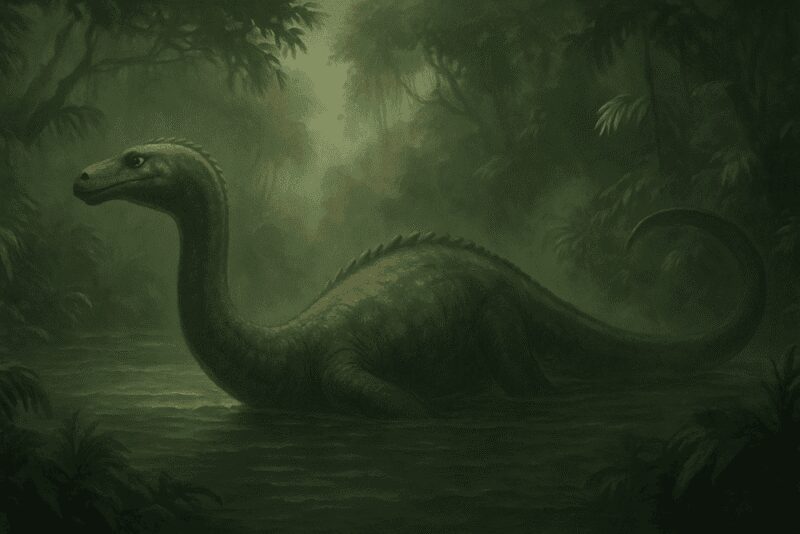
The descriptions of Mokèlé-mbèmbé have varied across accounts and generations, yet they consistently depict a creature of awe-inspiring size and power. Often compared to a sauropod dinosaur, Mokèlé-mbèmbé is said to possess a long neck, reminiscent of the legendary brontosaurus. Its body is described as massive and bulky, supported by four sturdy legs that allow it to navigate both land and water with ease. The creature’s skin is often portrayed as being a rough, dark hue, blending seamlessly with the murky waters and shadowy underbrush of its habitat.
Mokèlé-mbèmbé is often said to possess a tail that extends significantly beyond its body, akin to that of a crocodile, emphasizing both its formidable size and its aquatic nature. Some accounts even speak of horns or ridges along its back, adding to its prehistoric allure. Despite the varying details, the core image remains the same: a colossal, dinosaur-like beast that commands the rivers with its presence.
One of the more intriguing aspects of Mokèlé-mbèmbé’s physical description is its alleged ability to blend into its environment, making it exceedingly difficult to spot. This chameleon-like trait has become a part of the lore, explaining why the creature has eluded capture and examination by modern science. Whether a product of imagination or reality, these descriptions contribute to the enduring intrigue and mystery surrounding Mokèlé-mbèmbé.
Behavioral Traits
In the tales told by those who claim to have encountered it, Mokèlé-mbèmbé displays a range of behaviors that reflect its formidable nature. Primarily, it is portrayed as a solitary creature, inhabiting the depths of remote rivers and lakes, far removed from human civilization. This isolationist behavior may be why encounters with Mokèlé-mbèmbé are said to be rare and fleeting, as the creature purportedly avoids contact with humans whenever possible.
Despite its elusive nature, Mokèlé-mbèmbé is often described as fiercely territorial, defending its domain from perceived threats with aggressive displays. Stories abound of boats being overturned and intruders being chased away. This behavior underscores the creature’s role as a guardian of the waterways, asserting dominance over its environment. In many ways, these tales highlight the traditional belief in respecting the boundaries set by nature.
Interestingly, some accounts also suggest a more gentle side to Mokèlé-mbèmbé, depicting the creature as a peaceful herbivore that feeds on the lush vegetation surrounding its aquatic home. This duality of ferocity and tranquility adds depth to the myth, portraying Mokèlé-mbèmbé as a complex entity—both protector and destroyer, a force to be respected and revered. Such narratives serve as a reminder of the delicate balance between humanity and the natural world, a recurring theme in the folklore of the region.
Mokèlé-mbèmbé in Culture and Tradition
Role in Folklore
The tales of Mokèlé-mbèmbé have long been woven into the rich tapestry of African folklore, where the creature holds a place of prominence. Stories of its encounters and behaviors are shared around campfires and passed from elders to younger generations, each recounting adding to the mystique of this mythical beast. Within these narratives, Mokèlé-mbèmbé is often seen as a symbol of nature’s untamed power, a living embodiment of the wild spirit that defines the African landscape.
In many communities, Mokèlé-mbèmbé is a figure that embodies caution and respect for the natural world. Folktales often depict humans who dare to disturb the creature’s domain facing dire consequences, reinforcing moral lessons about coexistence with nature. This narrative function is crucial, as it underscores broader themes of environmental stewardship and the dangers of overexploitation of natural resources. Mokèlé-mbèmbé thus serves as both a cautionary tale and a reminder of the potential consequences of human hubris.
Moreover, Mokèlé-mbèmbé’s presence in folklore provides a sense of identity and continuity for the communities along the Congo River. The creature is not just a tale of the past but a living part of cultural heritage, representing the spirit of endurance and the deep-rooted connection between people and their environment. As such, Mokèlé-mbèmbé is a vital element in the cultural identity of the region, a link between the ancestral past and the present day.
Regional Variations
As with many legendary creatures, the story of Mokèlé-mbèmbé varies across different regions and tribes within the Congo Basin. Each community adds its own nuances to the myth, reflecting diverse cultural perspectives and environmental experiences. In some traditions, Mokèlé-mbèmbé is depicted as more aggressive and territorial, while in others, the creature is seen as a benign guardian of nature, living in harmony with its surroundings.
In the remote swamp regions of the Likouala and Mambili Rivers, tales often emphasize the creature’s immense size and strength, highlighting encounters where Mokèlé-mbèmbé has thwarted attempts to disturb its habitat. These stories convey a deep respect for the creature and caution against human intrusion into its realm. In contrast, other regions may focus more on the creature’s elusive nature, portraying it as a shadowy figure that appears only to those worthy of witnessing its majesty.
Despite these regional differences, the core attributes of Mokèlé-mbèmbé remain consistent: its dinosaur-like appearance and its role as a symbol of untamed natural power. These variations not only enrich the myth but also reflect the diverse cultural landscapes of the Congo Basin, illustrating how folklore can adapt and evolve while maintaining its essential elements. Mokèlé-mbèmbé thus serves as a unifying figure, a common thread that connects disparate communities through shared belief and storytelling.
Legends and Tales
Famous Encounters
The myth of Mokèlé-mbèmbé is peppered with accounts of incredible encounters, each adding a layer of mystique to this legendary creature. One of the most famous stories involves an expedition led by the renowned missionary and explorer Reverend Eugene Thomas in the 1970s. During his time with the tribes of the Congo, Thomas heard tales of a massive creature that the locals insisted was real. They described how the creature had once disrupted their fishing activities by upturning boats and scattering fish, a testament to its formidable presence. Thomas’s accounts were vivid and compelling, fueling further interest and exploration into the legend of Mokèlé-mbèmbé.
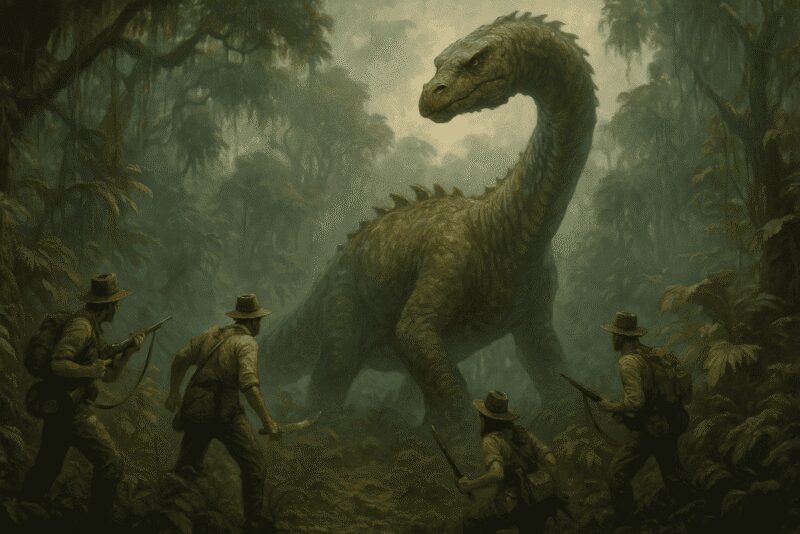
Another significant encounter was reported by the German adventurer Captain Ludwig Freiherr von Wiese, who ventured into the Congo Basin in the early 20th century. Upon his return, von Wiese claimed to have seen a creature that matched the descriptions of Mokèlé-mbèmbé, providing detailed sketches and notes that painted a picture of a long-necked, dinosaur-like beast. His reports sparked a wave of excitement among cryptozoologists and explorers, eager to discover the secrets of Africa’s living dinosaur.
More recently, in the late 1980s, a Japanese expedition led by the explorer Takashi Shimizaki ventured into the Congo Basin in search of Mokèlé-mbèmbé. While the team did not capture definitive evidence of the creature, they returned with intriguing stories from the locals and anecdotal accounts of encounters. These stories, like many before them, added to the growing legend of Mokèlé-mbèmbé, capturing imaginations and ensuring the creature’s place in modern folklore.
Symbolism and Meaning
The symbolism of Mokèlé-mbèmbé extends far beyond its perceived physical form, deeply ingrained in the cultural and spiritual landscape of the Congo River Basin. The creature represents the idea that not all of nature’s mysteries have been uncovered, embodying the unknown that lies hidden within the depths of the world’s jungles and rivers. In a broader sense, Mokèlé-mbèmbé is a symbol of the past confronting the present, a reminder of the ancient world and its enduring impact on contemporary life.
In African folklore, Mokèlé-mbèmbé often serves as a cautionary figure. Its presence warns against the dangers of disrupting the natural order, symbolizing the consequences of human encroachment into sacred and untamed spaces. Through its tales, the creature communicates themes of ecological balance and the importance of respecting the environment, providing moral lessons that resonate within the communities that share these stories.
Mokèlé-mbèmbé also holds a deeper spiritual significance, representing the interconnectedness of all life and the cycle of creation and destruction inherent in nature. Its mythological presence suggests a divine or supernatural quality, a being that transcends the mundane and offers insight into the spiritual beliefs of the region. Through its symbolism, Mokèlé-mbèmbé becomes a conduit for understanding the complex relationship between humans and the natural world, a narrative that continues to captivate and inspire those who hear its tales.
Mokèlé-mbèmbé in Modern Times
Literature and Media
In modern times, Mokèlé-mbèmbé has transcended its regional origins to become a figure of fascination in global literature and media. The creature’s enigmatic nature and possible connection to prehistoric life have made it a popular subject in the realm of cryptozoology literature. Works such as “The Case for the UFO” by M.K. Jessup and “The Field Guide to Lake Monsters, Sea Serpents, and Other Mystery Denizens of the Deep” by Loren Coleman and Patrick Huyghe explore the myth of Mokèlé-mbèmbé, offering theories and accounts that seek to unravel its mystery.
Mokèlé-mbèmbé has also made appearances in popular culture, featuring in films and documentaries that delve into cryptozoological themes. Notable examples include the documentary “Baby: Secret of the Lost Legend” (1985), which dramatizes the search for the creature in the African wilderness. Additionally, television shows such as “MonsterQuest” and “Destination Truth” have dedicated episodes to exploring the myth of Mokèlé-mbèmbé, capturing the imagination of audiences worldwide.
Video games have not been immune to the allure of Mokèlé-mbèmbé either. Games like “Frontier Developments’ Jurassic World Evolution” offer players the chance to create and manage dinosaurs, drawing inspiration from legendary creatures like Mokèlé-mbèmbé. Through these varied media portrayals, the legend of Mokèlé-mbèmbé continues to thrive, captivating new generations with tales of Africa’s living dinosaur.
Contemporary Relevance
Today, the legend of Mokèlé-mbèmbé holds a unique place in both cultural and scientific discourse. For the people of the Congo Basin, it remains a vital part of their cultural heritage, a symbol of their ancestral connection to the land and its mysteries. Mokèlé-mbèmbé is not just a myth; it is a living narrative that helps define identity and community for those who share its stories.
In scientific circles, the elusive nature of Mokèlé-mbèmbé continues to inspire cryptozoological research and exploration, prompting discussions about biodiversity, conservation, and the limits of scientific knowledge. While the existence of the creature remains unproven, its legend challenges researchers to consider the vast unknowns that still exist in the natural world and the potential for undiscovered species in remote regions.
Furthermore, the myth of Mokèlé-mbèmbé serves as a reminder of the importance of preserving the world’s natural habitats and respecting indigenous knowledge. As interest in the creature persists, it highlights the necessity of balancing exploration with cultural sensitivity and environmental responsibility. In this way, Mokèlé-mbèmbé continues to be relevant, offering lessons in humility, curiosity, and respect for the world that surrounds us.
Conclusion
The legend of Mokèlé-mbèmbé endures as a captivating narrative, bridging the gap between myth and reality while providing profound insights into the cultural heritage of the Congo River Basin. Through its tales, we glimpse a world where the ancient and the modern coexist, where the mysteries of nature remain vast and untamed. Whether as a guardian of the waterways, a symbol of ecological balance, or an inspiration for explorers and dreamers, Mokèlé-mbèmbé remains a testament to the enduring allure of the unknown.