The Ahuizotl, an enigmatic creature from Aztec mythology, has captivated the imagination of storytellers and historians alike. Deeply rooted in the rich tapestry of Mesoamerican legends, this water-dwelling trickster serves as both a terrifying antagonist and a fascinating subject of study. With tales of its deadly antics echoing through time, the Ahuizotl continues to intrigue those who delve into the mythological past of the Aztec civilization. This article explores the origins, descriptions, cultural impact, and modern interpretations of this captivating creature.
Origins of Ahuizotl
Historical Background
The Ahuizotl, a creature feared and revered in ancient Aztec society, finds its origins within the heart of Mesoamerican mythology. During the height of Aztec civilization, between the 14th and 16th centuries, the Ahuizotl was considered a significant mythological entity, often mentioned in codices and oral traditions. Its name, which translates to “spiky aquatic thing” or “water dog,” underscores its association with water bodies, a crucial element of sustenance and spirituality for the Aztecs.
In the codices, particularly the Codex Florentine, penned by the Franciscan friar Bernardino de Sahagún, and the Codex Mendoza, the Ahuizotl is depicted as a creature living in the lakes surrounding Tenochtitlan, the capital of the Aztec Empire. These texts, created in the aftermath of the Spanish conquest, offer invaluable insights into how the Aztecs perceived this creature and integrated it into their understanding of the world. These documents provide a crucial glimpse into the Aztec worldview, where mythical creatures like the Ahuizotl were not just legends but integral to the cultural and spiritual fabric of the society.
Beyond its place in codices, the Ahuizotl holds a storied place within the oral traditions passed down through generations. These narratives have kept the creature alive in the cultural consciousness, transforming it from mere folklore to a symbol of the mysterious and untamed aspects of nature. The historical background of the Ahuizotl, thus, is not only a testament to the Aztec’s mythological creativity but also a reflection of their relationship with the natural world and its unpredictable forces.
Mythological Significance
Within Aztec mythology, the Ahuizotl holds a peculiar place of significance, representing both the dangers of the natural world and the mystery of the unknown. The creature is often seen as a guardian of the water, a sacred and life-giving element in Aztec culture. Water bodies were considered potent symbols of fertility and sustenance, and the Ahuizotl’s dominion over these realms added a layer of awe and fear to its legend.
The Ahuizotl was also associated with the Tlaloc, the Aztec god of rain and water, which further cemented its status as a formidable figure in the mythology. This association underscores its role as a protector or enforcer of divine will, punishing those who dared to desecrate its watery domain. In this capacity, the Ahuizotl served as a reminder of the delicate balance between humanity and nature, cautioning against the reckless exploitation of natural resources.
Furthermore, the Ahuizotl’s mythological significance extended into spiritual realms, where it was believed to lead the souls of the drowned to Tlalocan, the paradise of the rain god. This function elevated the creature from a mere monster to a psychopomp, a guide for the souls of the departed, intertwining its existence with the Aztec concepts of life, death, and the afterlife. The Ahuizotl’s mythological significance is thus multifaceted, embodying both the fears and spiritual beliefs of the Aztec people.
Description of Ahuizotl
Physical Characteristics
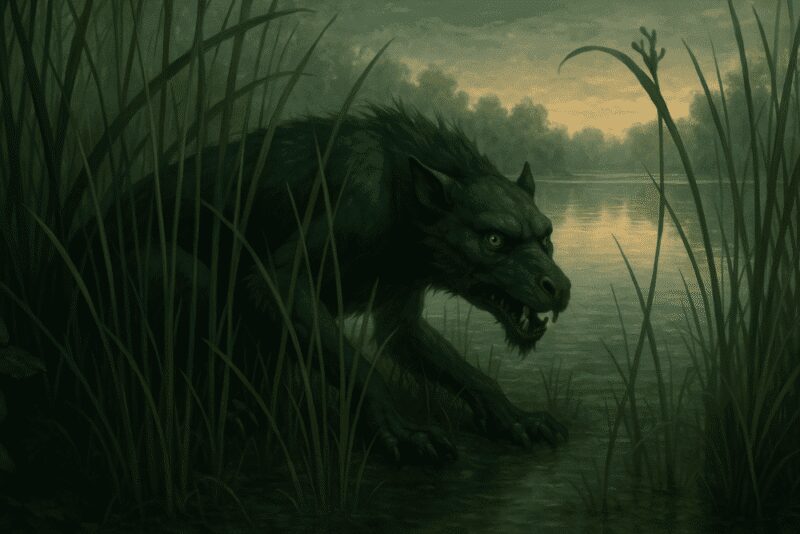
The Ahuizotl is portrayed in Aztec mythology as a fearsome creature possessing a bizarre and terrifying appearance. Descriptions of its physical form are detailed and vivid, contributing to its lasting power as a creature of legend. Typically depicted as having the general shape of a small dog or an otter, the Ahuizotl is characterized by its spiky, pointed fur, which bears an uncanny resemblance to the spikes of a hedgehog.
However, what truly distinguishes the Ahuizotl is its most infamous feature: a long, prehensile tail with a hand at the end. This appendage is not merely for show; it is a functional and deadly tool that the creature uses to drag unsuspecting victims into its watery lair. This peculiar adaptation is a testament to the creature’s cunning and predatory nature, enabling it to snatch away those who venture too close to the water’s edge.
In addition to its unique tail, the Ahuizotl is often described with sharp teeth and glowing eyes, enhancing its menacing presence. These features, combined with its aquatic abilities, make it a formidable adversary for anyone who crosses its path. The Ahuizotl’s physical characteristics are purposefully designed to evoke fear and respect for the unknown powers of nature, serving as a cautionary tale against hubris and recklessness in the face of the wild.
Behavioral Traits
The behavioral traits of the Ahuizotl are as intriguing as its physical description, painting a picture of a creature that is both cunning and capricious. Known for its trickster-like qualities, the Ahuizotl is said to lure its victims with the sound of a crying baby or a barking dog, exploiting the natural human instinct to offer help or investigate. This deception draws the unsuspecting closer to the water’s edge, where the Ahuizotl can then execute its ambush.
Once a victim is within reach, the Ahuizotl employs its prehensile tail to drag them beneath the water, drowning them swiftly. This calculated and strategic approach to hunting illustrates the creature’s intelligence and adaptability, making it a formidable force within its domain. The Ahuizotl’s behavior is not driven solely by malice; it is believed to kill not out of bloodlust, but to fulfill its role as a guardian of the water, punishing those who disrespect its territory.
Despite its fearsome reputation, the Ahuizotl is also regarded as a creature bound by its own code of conduct. Its attacks are said to be targeted, often sparing those who respect the water and its creatures. This dual nature — as both a protector and a predator — adds depth to the Ahuizotl’s character, making it a complex symbol of the balance between man and nature. Such behavioral traits ensure that the Ahuizotl remains an enduring figure in the storytelling traditions of Mesoamerica.
Ahuizotl in Culture and Tradition
Role in Folklore
The Ahuizotl occupies a prominent role in Aztec folklore, often appearing in stories that emphasize the mysterious and dangerous nature of the natural world. In these tales, the creature is frequently portrayed as a guardian of the aquatic realm, representing the unpredictable and often perilous aspects of rivers, lakes, and other bodies of water. Its presence in folklore serves as a reminder of the importance of respecting nature and its boundaries.
Stories about the Ahuizotl often convey moral lessons about the consequences of greed and disrespect. For instance, there are tales of fishermen who ignore warnings and overfish local waters, only to find themselves targeted by the Ahuizotl’s wrath. These narratives underscore the values of the Aztec society, which emphasized harmony with the environment and the necessity of maintaining ecological balance.
Beyond its role as a cautionary figure, the Ahuizotl also serves to explain natural phenomena, such as the disappearance of individuals near bodies of water. In a time when scientific explanations were not available, attributing such events to a supernatural being like the Ahuizotl provided a sense of understanding and control over the unpredictable forces of nature. The creature’s role in folklore is thus multifaceted, reflecting both the fears and the wisdom of ancient Mesoamerican cultures.
Regional Variations
While the Ahuizotl is most closely associated with Aztec mythology, similar creatures appear in the folklore of other Mesoamerican cultures, each with their own distinctive traits and stories. In some regions, the Ahuizotl is viewed more sympathetically, seen as a spirit that may occasionally assist or guide those who show proper reverence to nature.
The diversity in Ahuizotl narratives is a testament to the rich cultural tapestry of Mesoamerica, where local traditions and beliefs often intermingled and evolved over time. In the regions of the Huastec and the Mixtec, for example, the creature might be depicted with slightly different physical characteristics or attributed with unique powers, such as controlling the weather or influencing agricultural fertility.
These regional variations highlight the adaptability of mythological creatures like the Ahuizotl, demonstrating how each community tailored the stories to fit their specific environmental and cultural contexts. This flexibility allowed the Ahuizotl to remain a relevant and potent symbol throughout centuries, ensuring its place in the collective imagination of Mesoamerican peoples.
Legends and Tales
Famous Encounters
Among the many tales surrounding the Ahuizotl, some of the most enduring stories involve specific encounters with the creature, passed down through generations. One famous account tells of an Aztec nobleman who dared to fish from a sacred lake, despite warnings from local villagers about the Ahuizotl’s presence. Dismissing the old tales as mere superstition, the nobleman cast his nets, only to be met with the creature’s wrath. As he pulled the nets from the water, the Ahuizotl’s hand emerged from the depths, dragging him down to the watery abyss, never to be seen again.
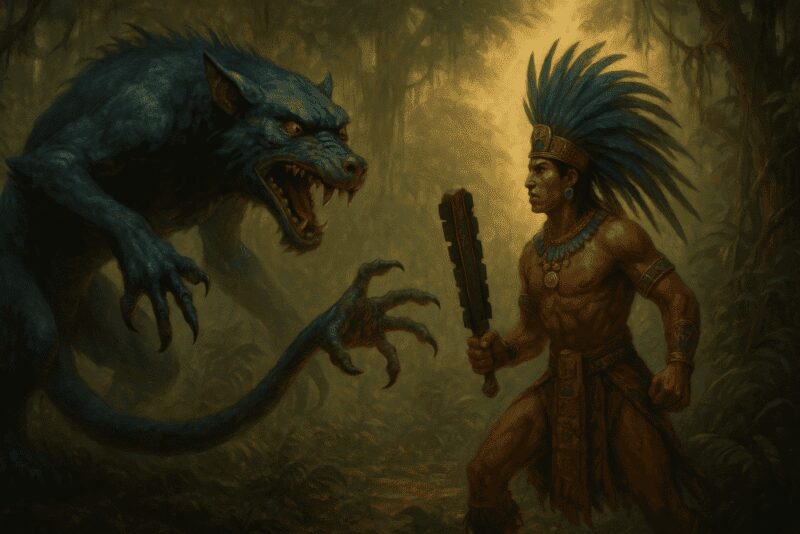
Another well-known story involves a young Aztec warrior who, while on a quest to prove his bravery, intentionally sought out the Ahuizotl. Armed with nothing but his courage and a simple spear, the warrior approached the creature’s lair. As he reached the water’s edge, he began to hear the haunting cries of a baby, a lure set by the cunning creature. Recognizing the trick, the warrior resisted the urge to dive into the water, instead waiting for the Ahuizotl to reveal itself. When the creature finally emerged, the warrior managed to wound it, securing his place as a hero in his village, though the Ahuizotl continued to haunt the waters, ever elusive and dangerous.
These stories highlight the Ahuizotl’s role as both an adversary and a test of character, challenging individuals to confront their fears and respect the powers of the natural world. The encounters with the Ahuizotl serve as moral lessons, teaching the values of humility, respect, and the understanding of one’s own limitations in the face of nature’s mysteries.
Symbolism and Meaning
The Ahuizotl’s symbolism in Aztec mythology is rich and complex, reflecting the multifaceted nature of the creature itself. At its core, the Ahuizotl represents the unpredictable and sometimes hostile forces of nature, particularly those associated with water. Water, while life-giving, can also be a source of danger and mystery, and the Ahuizotl embodies this duality, serving as a guardian of the aquatic realm and a punisher of those who fail to respect it.
On a deeper level, the Ahuizotl is also a symbol of transformation and the unknown. Its ability to lure victims with deceptive sounds speaks to the idea that not everything is as it seems, reminding individuals to question appearances and remain vigilant in their interactions with the world. This aspect of the Ahuizotl’s symbolism resonates with the broader Aztec philosophical view, which acknowledged the complexity and ambiguity inherent in life.
Furthermore, the Ahuizotl’s association with the rain god Tlaloc and its role as a psychopomp accentuate its spiritual significance. It acts as a bridge between the human world and the divine, guiding souls to the afterlife and reinforcing the interconnectedness of life, death, and the cosmos. The symbolism of the Ahuizotl thus encompasses themes of fear, respect, transformation, and the eternal cycle of existence, contributing to its enduring legacy in Aztec mythology.
Ahuizotl in Modern Times
Literature and Media
In modern times, the Ahuizotl continues to capture the imagination of writers, filmmakers, and game developers, making appearances in various forms of media. One notable inclusion is in the animated television series “The Secret Saturdays,” where the Ahuizotl is featured as one of the many cryptids encountered by the protagonist family. This portrayal introduces the creature to a new generation, blending elements of traditional mythology with contemporary storytelling.
In literature, the Ahuizotl has found its way into novels and short stories that explore Mesoamerican mythology and folklore. For example, the creature is a part of A. Lee Martinez’s “Gil’s All Fright Diner,” where it is portrayed with a humorous twist while still retaining its dangerous allure. Such works emphasize the adaptability of the Ahuizotl myth, allowing it to be reimagined and repurposed for modern audiences.
The world of gaming has also embraced the Ahuizotl, with the creature making appearances in various video games. In “Tomb Raider: Underworld,” the protagonist Lara Croft encounters the Ahuizotl as she navigates through ruins inspired by Mesoamerican architecture. This inclusion not only enriches the gaming environment but also serves as an educational tool, introducing players to the rich tapestry of Aztec mythology.
Contemporary Relevance
The Ahuizotl’s continued presence in modern culture speaks to its enduring appeal and relevance. As societies around the world grapple with environmental issues and the consequences of human impact on nature, the Ahuizotl serves as a powerful symbol of the delicate balance between humanity and the natural world. Its myth reminds us of the importance of respecting ecological boundaries and understanding the interconnectedness of all life.
In academic and cultural circles, the Ahuizotl is increasingly examined as part of a broader resurgence of interest in indigenous myths and histories. Scholars and enthusiasts alike are drawn to the creature’s rich symbolism and the insights it offers into the worldview of the Aztecs and other Mesoamerican cultures. This focus on indigenous knowledge highlights the value of traditional narratives in addressing contemporary challenges, emphasizing the wisdom embedded in ancient myths.
Moreover, the Ahuizotl’s presence in popular culture acts as a bridge between past and present, providing a means for individuals to connect with their heritage and foster a greater appreciation for cultural diversity. By engaging with the Ahuizotl and other mythological figures, modern audiences can explore timeless themes and gain a deeper understanding of the human experience across different cultures and epochs.
Conclusion
The Ahuizotl, with its blend of fearsome traits and deep symbolism, remains a captivating figure within Aztec mythology and beyond. From its historical roots to its role in folklore, this enigmatic creature continues to inspire and provoke thought across cultures and mediums. As a testament to the enduring power of myth, the Ahuizotl challenges us to reflect on our relationship with nature and the intricate tapestry of stories that connect us to our ancestors.