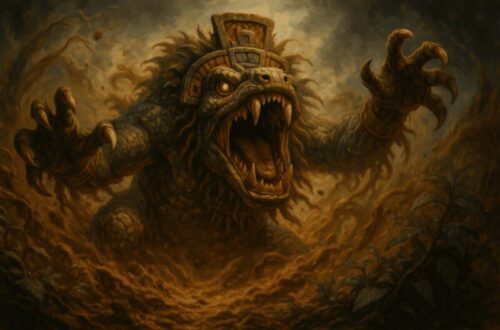
In the lush landscapes of Japan, among the myths and legends that flow through its cultural heritage, resides a creature as elusive as it is intriguing: the Kappa. Known for its mischievous nature and aquatic dwelling, the Kappa holds a unique spot in Japanese folklore. This river-dwelling trickster has been a subject of fascination and fear, embodying the mysteries of the natural world and the complexities of human interaction with it. As you delve into the tales of the Kappa, prepare to be enchanted by stories that reflect both the whimsical and cautionary aspects of this mythical creature.
Origins of Kappa
Historical Background
The Kappa’s origins trace back centuries, rooted deeply in Japanese folklore. The word “Kappa” is derived from the words “river” (kawa) and “child” (wappa), hinting at its connection to water and its childlike appearance. Historical texts suggest that Kappas were initially used to explain the dangers of water bodies, warning children to stay away from rivers and ponds. Over time, these explanations evolved into elaborate tales and stories, solidifying the Kappa’s place in mythological narratives.
Mythological Significance
In Japanese mythology, Kappas are considered a type of yōkai, supernatural entities that often play dual roles as both protectors and tricksters. They symbolize the unpredictable nature of water—both life-giving and destructive. The Kappa embodies these dual characteristics, capable of benevolence in one moment and malevolence in the next. Revered and feared, Kappas represent the complex relationship between humans and the natural world.
Description of Kappa
Physical Characteristics
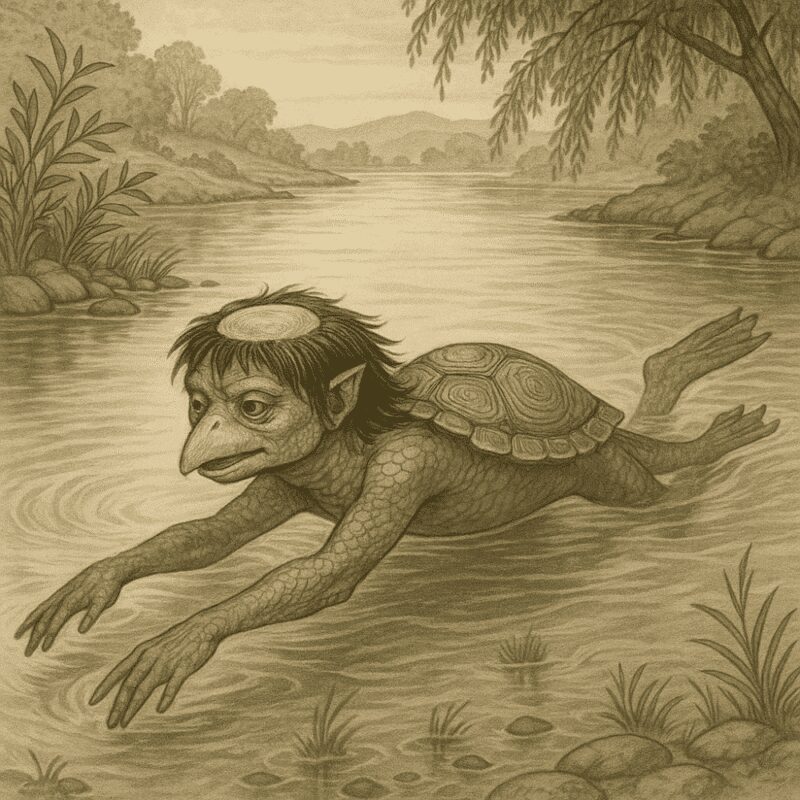
Imagine encountering a creature that is part humanoid, part turtle, with webbed hands and feet, and a shell on its back. The Kappa possesses a distinctive dish-like depression on the top of its head, filled with water that grants it supernatural strength. Should this water spill, the Kappa would lose all its power. Its amphibian-like skin and beak-like mouth add to its alien appearance, making it an unforgettable sight in the world of mythical creatures.
Behavioral Traits
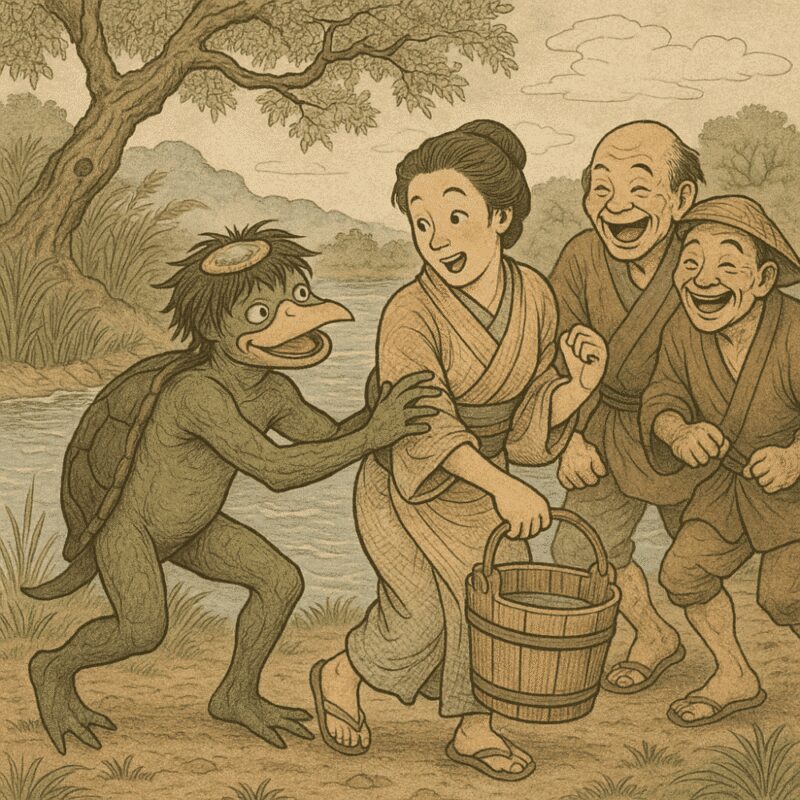
Kappas are notorious for their mischievous behavior. Known for playing pranks on humans, their antics range from harmless tricks to more malevolent acts, such as drowning unsuspecting victims or stealing food. However, they are not entirely malevolent. A Kappa can be befriended and even serve as a protector if treated kindly. Offering cucumbers, their favorite food, is a well-known way to earn a Kappa’s favor, highlighting their complex nature as both friend and foe.
Kappa in Culture and Tradition
Role in Folklore
The Kappa has been a fixture in Japanese folklore, often appearing in stories that serve as moral lessons. These tales frequently emphasize the importance of respecting nature and the dangers of hubris. Through these stories, the Kappa acts as a guardian of the waters, reminding humans of the boundaries they must not cross. It serves as a narrative tool to instill caution and respect for natural elements.
Regional Variations
Throughout Japan, various regions have offered unique interpretations of the Kappa, each adding a layer of complexity to the creature’s mythos. In some areas, Kappas are seen as benevolent river spirits, while in others, they are depicted as dangerous entities to be appeased. These regional variations reflect the diverse cultural landscape of Japan, with each community adding its own flavor to the legend of the Kappa.
Legends and Tales
Famous Encounters
Numerous stories narrate encounters with Kappas, ranging from humorous to harrowing. In one famous tale, a Kappa is outwitted by a farmer who tricks it into bowing, causing the water in its head to spill, rendering it powerless. Another story tells of a Kappa who, indebted to a human after being saved, teaches him the secrets of bone-setting, showcasing the creature’s capacity for gratitude and imparting knowledge.
Symbolism and Meaning
The Kappa’s stories often carry deeper symbolic meanings, reflecting societal values and human fears. They symbolize the unpredictability of nature and the consequences of disrespecting it. The creature’s dual nature as both a menace and a helper underscores the importance of balance and harmony in human interactions with the environment. These tales serve as a reminder of the delicate equilibrium that must be maintained between humanity and the natural world.
Kappa in Modern Times
Literature and Media
In contemporary Japan, the Kappa continues to capture the imagination of authors, filmmakers, and artists. It appears in a variety of media, from children’s books to manga and anime, each depicting the Kappa in ways that range from comedic to terrifying. These modern interpretations help keep the Kappa relevant, ensuring that this ancient mythological figure remains a vibrant part of Japanese culture.
Contemporary Relevance
Today, the Kappa serves not only as a cultural artifact but also as a symbol of environmental consciousness. It reminds society of the importance of preserving natural resources and respecting ecological boundaries. The Kappa’s enduring presence in modern discourse reflects Japan’s continued reverence for its folklore and its significance in shaping cultural identity and values.
Conclusion
The Kappa remains one of Japan’s most intriguing mythological figures, a creature that embodies both the playful and perilous aspects of nature. Its stories serve as timeless reminders of the need for respect, balance, and harmony with the natural world. As you ponder the tales of the Kappa, consider the lessons they impart about our relationship with the environment and the enduring influence of folklore in shaping cultural consciousness. Through its mischief and mystery, the Kappa continues to capture the hearts and minds of those who dare to explore the rich tapestry of Japanese mythology.