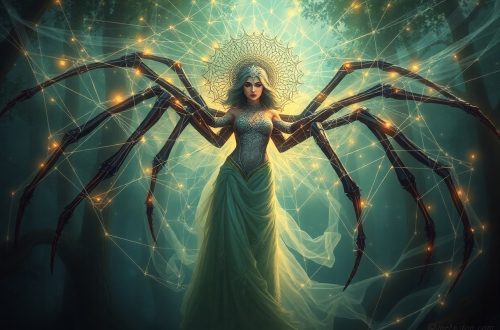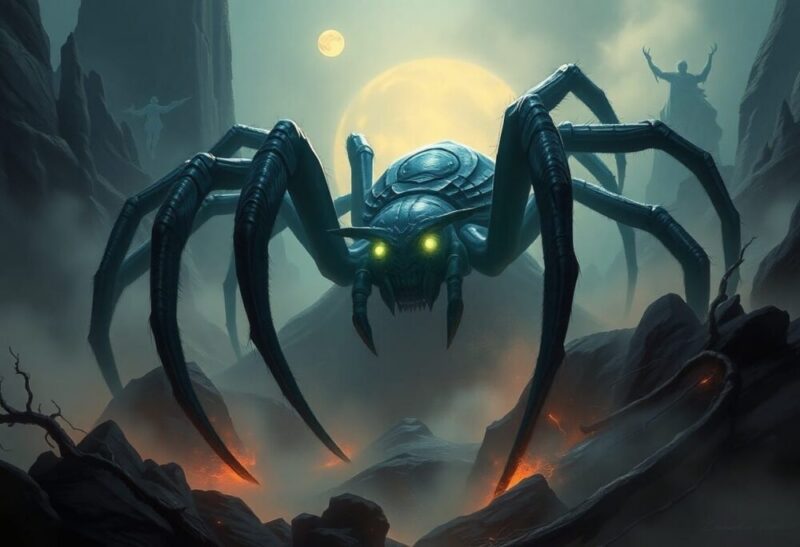
Many cultures around the world have their own tales of vengeful spirits, but the Karakurt stands out as a particularly ominous figure. Known for its lethal venom and chilling lore, this spider embodies both fear and fascination. As you research into the history and characteristics of the Karakurt, you’ll uncover how this creature has inspired myths, warnings, and a deeper understanding of the natural world. From its physical traits to the legends it inspires, exploring the Karakurt offers insights into the intersection of nature and mythology.
The Origin of Karakurt
A fascinating blend of folklore and fear surrounds the origin of Karakurt, the poisonous spider spirit of vengeance. Emerging from the depths of cultural narratives, this symbol of retribution resonates with those who have experienced betrayal or injustice. Often depicted as a formidable figure, Karakurt embodies the primal elements of nature, offering both protection and peril to those who encounter it.
Historical Context
Between ancient civilizations and modern societies, the Karakurt spider’s presence has been documented as a harbinger of doom. Its venomous bite was historically associated with mythical tales of retribution, reflecting societal fears and the desire for justice. In various cultures, stories of Karakurt have evolved, yet the core image of a vengeful spirit remains intact.
Mythological Significance
After centuries of storytelling, the mythological significance of Karakurt shapes your understanding of justice and vengeance. This spider spirit serves as a reminder of the consequences of wrongdoing, reinforcing the idea that those who wreak havoc will face retribution. In your explorations of folklore, Karakurt embodies the moral lessons that have been passed down through generations.
Another critical aspect of Karakurt’s mythological significance lies in its ability to transcend mere superstition. It reflects the complexities of human emotion, illustrating how fear and vengeance intertwine. As you investigate deeper into its stories, you realize that Karakurt is not just a monstrous figure but also a cautionary emblem urging individuals to consider their actions and the potential fallout. By engaging with this legend, you can navigate your own understanding of justice and its repercussions.
Physical Characteristics of the Karakurt Spider
Even though the Karakurt spider, or black widow, is small in size, it possesses distinct physical traits that set it apart. Measuring around 1.5 to 2 inches in length, this spider features a glossy black body with a characteristic red hourglass marking on the underside of its abdomen. Its long, thin legs are adapted for quick movements, making it an agile predator. Recognizing this spider is vital for ensuring your safety and avoiding its venomous bite.
Identification and Appearance
Identification of the Karakurt spider involves observing its shiny black coloration and the striking red hourglass shape on its abdomen. While similar to other spiders, the unique features of the Karakurt make it easier to distinguish. Look for its elongated legs and bulbous abdomen, which can be an indicator of its presence in gardens or dark, secluded areas.
Venom Composition and Effects
Around two-thirds of the spiders in the Karakurt family possess venom that can cause severe symptoms in humans. The venom primarily consists of neurotoxins, which can affect the nervous system and lead to muscle spasms, pain, and even respiratory difficulties if left untreated.
In addition to the immediate pain following a bite, the venom can cause systemic reactions that may require medical intervention. Symptoms like nausea, sweating, and increased heart rate can manifest within hours, emphasizing the importance of understanding the risks associated with a Karakurt spider encounter. If you suspect a bite, seek medical attention promptly to mitigate the effects of the venom and prevent potential complications.

Cultural Interpretations of the Karakurt
One of the most intriguing aspects of the Karakurt is how diverse cultures interpret this spider. Your understanding of this creature can deepen as you explore varying beliefs, myths, and artistic representations. Across different societies, the Karakurt embodies themes of fear, respect, and even reverence, reflecting your collective relationship with nature. From tales of misfortune to its role in traditional medicine, the spider serves as an necessary cultural symbol that transcends boundaries.
Folklore Surrounding the Spider
To appreciate the Karakurt fully, you must examine into the rich folklore that has woven itself around this spider. Stories of the Karakurt often depict it as a harbinger of doom or as a protector, depending on the narrative’s cultural context. In many tales, those who encounter the Karakurt have an array of experiences, ranging from perilous encounters to miraculous recoveries, showcasing the spider’s dual role in cultural mythology.
The Symbolism of Vengeance
Surrounding the intricate tales of the Karakurt is the potent symbolism of vengeance. This spider represents the darker side of human emotions, often reflecting your fears of retribution and justice. In various narratives, it is said that the Karakurt exacts revenge on those who wrong others, serving as a reminder of the consequences of your actions.
It is necessary to recognize that the symbolism of vengeance associated with the Karakurt is more than just a cautionary tale; it signifies a deeper understanding of moral balance in human societies. You are prompted to reflect on your own life choices through the lens of this spider’s potent energy, considering how actions can ripple outward to affect others. In many interpretations, the Karakurt acts not just as a force of retribution but also as a reminder for individuals to seek justice and harmony in their communities.
Karakurt in Modern Science
Not only does the Karakurt spider captivate your curiosity, but it also piques the interest of scientists aiming to unveil its mysteries. With advances in toxicology, researchers are actively exploring the spider’s venom, which holds potential implications for medical science, pest control, and understanding ecological balances. You may be surprised to learn how the venom properties can lead to deeper insights into nature’s intricacies and human health.
Research on Venom Properties
Modern scientists are examining the Karakurt’s venom to identify its components and potential applications. By isolating specific proteins, you may find that this research reveals promising leads for pain relief, cellular regeneration, and even cancer treatment. The versatility of arachnid venom offers hope for groundbreaking advancements in various fields.
Ecological Role of the Karakurt
At the heart of ecosystems, the Karakurt spider serves a vital function as both predator and prey. By controlling insect populations, you can appreciate how this spider helps maintain ecological balance, while also providing nourishment for various birds and other animals. Without such species, the delicate relationships among organisms could be disrupted.
And while the Karakurt may seem dangerous, its ecological role extends beyond mere predation. You will find that its presence can actually benefit agricultural practices by keeping pest populations in check. Additionally, as a food source for birds and other predators, the Karakurt contributes to the intricate web of biodiversity, underscoring the importance of its continued existence in our environment.
Global Perspectives on Karakurt
Many cultures around the world view the Karakurt spider not just as a dangerous arachnid but also as a symbol of vengeance and death. This dual perception influences local myths, folklore, and cautionary tales, underscoring the significance of the spider in various global contexts. You may find that the fear and respect for the Karakurt highlight deeper connections between nature and cultural narratives, shaping how communities respond to its presence.
Regional Variations in Understanding
Variations in the understanding of the Karakurt spider exist across different regions. In some cultures, this spider embodies the idea of retribution, while in others, it represents a natural threat to be revered and feared. You may notice how these interpretations morph based on local beliefs and environmental interactions.
Comparison with Other Venomous Spiders
Comparison of the Karakurt with other venomous spiders reveals both similarities and differences in venom potency and behavior. These distinctions help you appreciate the unique role the Karakurt plays in its ecosystem as well as within human cultures.
| Spider | Venom Potency |
| Karakurt | High |
| Black Widow | Moderate |
| Funnel-Web Spider | Very High |
Further exploration of venomous spiders can provide a deeper understanding of their ecological roles and the impact of their bites. Many species exhibit remarkable adaptations that aid in hunting and defense, contributing to the intricacies of their respective ecosystems. As you probe into these comparisons, you’ll find that the Karakurt’s notoriety resides not just in its venom, but also in the stories it weaves into human culture.
| Spider | Geographic Range |
| Karakurt | Central Asia |
| Black Widow | North America, Europe |
| Funnel-Web Spider | Australia |
Summing up
Presently, you have investigated into the enigmatic world of Karakurt, the poisonous spider spirit associated with vengeance. Understanding this creature’s lore not only enriches your knowledge of folklore but also illustrates the deep-seated fears and beliefs surrounding natural dangers. By recognizing the characteristics and symbolism of the Karakurt, you gain insight into cultural interpretations of justice and retribution, reflecting the complex relationship humans have with the natural world. Embracing these narratives allows you to appreciate the intricate tapestry of mythology that shapes our understanding of life and death.