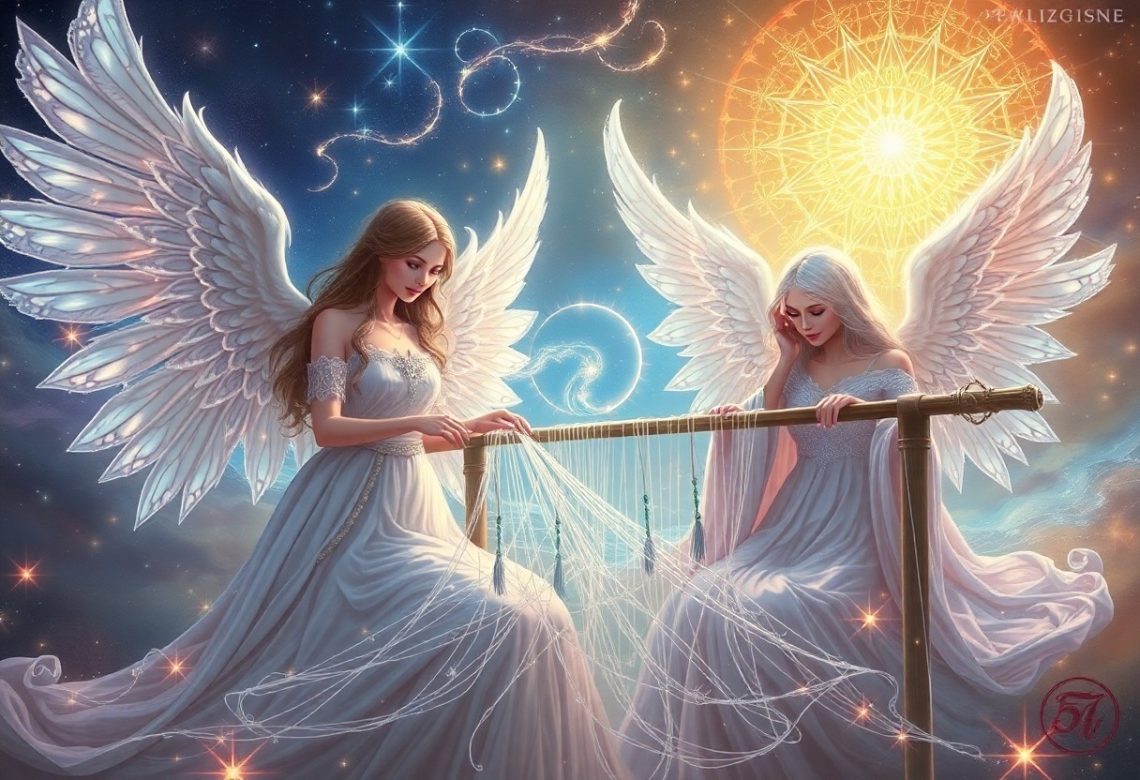
Sisters of destiny, the Moirae, also known as the Fates, are pivotal figures in Greek mythology who embody the intricate web of life. As you explore into their fascinating world, you will discover how each of the three sisters—Clotho, Lachesis, and Atropos—plays a distinct role in weaving the tapestry of human fate. Understanding their contributions can provide insight into the ancient beliefs surrounding fate, choice, and the inevitable passage of time. Join us as we explore the significance of these mythical figures and their enduring impact on culture and literature.
The Mythological Origins of the Moirae
Before delving into the significance of the Moirae, it is vital to explore their mythological origins. These three sisters, Clotho, Lachesis, and Atropos, personified the concept of fate in ancient Greek culture. Born from Chaos, they emerged as powerful beings who controlled the destiny of mortals and gods alike. Their role was an integral part of Greek mythology, emphasizing the timeless belief in predetermined paths that shape lives.
The Birth and Role of the Fates
Fates were established as divine figures at the very beginning of existence. They spun, measured, and ultimately cut the thread of life, determining the fate of every individual. Clotho wove the thread, Lachesis measured its length, and Atropos decided when to cut it, symbolizing the inescapable power they held over life and mortality.
The Significance in Greek Mythology
Around Greek mythology, the Moirae played a vital role in the understanding of fate and free will. Their presence often reminded individuals that, despite their desires and choices, some aspects of life were beyond control. They served as a constant reminder of the balance between human agency and the forces shaped by destiny.
Significance of the Moirae extends beyond their individual roles as the weavers of fate. They symbolize the inexorable nature of time and the universality of life’s predetermined twist, influencing not only the heroes of myths but also the everyday lives of ordinary citizens. As you engage with their stories, reflect on how the Moirae’s presence underscores the ancient Greeks’ understanding of life’s fragility and intricacy, shaping the narrative arc of countless myths and legends.
The Individual Fates
Clearly, the Moirae shed light on the intricate tapestry of human existence, with each sister representing a unique aspect of fate. Their roles intertwine to illustrate how life’s journey is not only predefined but also constructed through your choices and experiences. The Moirae remind you that you are subject to both the threads of destiny and the power of your own agency.
Clotho: The Spinner of Life
At the beginning of each life, Clotho delicately spins the thread, symbolizing your birth and the start of your journey. She embodies potential, embodying the choices and opportunities available to you as you step into the world. Your life begins with choices spun by Clotho, determining the path ahead.
Lachesis: The Allotter of Destiny
Lachesis takes on the responsibility of measuring the thread of life, determining the length of your existence. She holds the power to influence the moments you encounter, allocating events that shape your unique journey and experiences.
Further, Lachesis serves as a reminder that your life’s duration is not merely a predetermined path; it’s an evolving narrative influenced by myriad factors, including your decisions and external circumstances. The significance of your choices, relationships, and experiences unfolds as Lachesis allocates each moment, giving depth to your personal story. You have the agency to enrich the quality and meaning of your journey.
Atropos: The Cutter of Life
Along with her sisters, Atropos bears the weight of finality, wielding the shears that cut the thread of life when it is time for you to depart. Her role highlights the inevitable conclusion of every journey, emphasizing the importance of cherishing each moment while you can.
Cutter of life, Atropos embodies the reality that all beginnings must eventually meet their end. Her presence signifies the impermanence of existence, urging you to make the most of your time. Understanding Atropos’s role can inspire you to live authentically and appreciate the experiences that shape your story, knowing that every moment counts towards the legacy you will leave behind.
The Moirae in Literature and Art
Keep exploring the impact of the Moirae, as these mythological figures have profoundly influenced various works in literature and art throughout history. Their role in shaping destiny has led to rich interpretations, showcasing the tension between free will and fate in human experience. From ancient texts to contemporary expressions, the Moirae continue to captivate your imagination.
Depictions in Ancient Texts
Below are notable references to the Moirae in ancient literature, where they are often portrayed as the arbiters of life and death. Homer’s “Iliad” and Hesiod’s “Theogony” highlight their roles in weaving the threads of human destiny, emphasizing the inevitability of fate. As you investigate into these texts, you will discover how the Moirae’s influence extends beyond mere characters to represent the larger themes of fate and mortality.
Representations in Modern Culture
For contemporary audiences, the Moirae have been reinterpreted across various media, including literature, film, and visual arts. You might notice their presence in popular stories, where their functions are reimagined to resonate with modern themes of choice and consequence. This continued relevance of the Moirae emphasizes their timeless nature and the exploration of fate in your own life.
Ancient themes of fate continue to resonate in modern representations of the Moirae, appearing in films like “O Brother, Where Art Thou?” and literature such as Neil Gaiman’s “The Sandman.” These interpretations often revamp the sisters to explore complex narratives about choice, destiny, and the human condition. By examining how the Moirae function in today’s stories, you engage with the evolving conversation about fate and free will, forging a connection between ancient mythology and modern existential questions.
The Philosophical Implications of Fate
Many philosophical discussions revolve around the concept of fate and its implications for human existence. You may find yourself pondering the significance of destiny and the extent to which your life is predetermined. By exploring these ideas, you can uncover deeper insights into the nature of reality and the forces that shape your life experiences. The Moirae, or Fates, provide a compelling lens through which you can examine these complex questions and reflect on your place in the universe.
Free Will vs. Determinism
Free will posits that you have the power to make choices independent of external forces, while determinism suggests that every action is a result of pre-existing conditions. This debate can lead you to question how much control you truly have over your life. If the Moirae weave your fate, what role does your will play in shaping your destiny?
The Moirae’s Influence on Ethical Thought
Thought surrounding the Moirae has significantly shaped ethical discussions about agency and responsibility. The intertwining of fate and free will challenges you to consider the moral implications of your decisions. If your life is preordained, can you still be held accountable for your actions, or does the weight of responsibility shift to the Moirae?
This influence leads you to explore the balance between fate and free will in the context of ethical frameworks. You may find it enlightening to analyze how various philosophies reconcile the predetermined aspects of life with personal responsibility. The Moirae serve as a metaphor for the intertwining of fate and moral accountability, encouraging you to examine your values and the ethical implications of your choices. By engaging with these ideas, you can develop a more nuanced understanding of how fate interacts with your ethical convictions.
The Moirae in Popular Culture
To explore the impact of the Moirae in popular culture, you will find that these ancient figures continue to resonate in modern storytelling. Whether in literature, film, or television, their essence embodies themes of fate, choice, and the intertwining of lives. As you engage with these narratives, the Moirae serve as a timeless reminder of how our destinies are woven together, influencing characters and audiences alike.
Film and Television Representations
Along with their central role in myth, the Moirae have made memorable appearances in various films and television shows. Through creative adaptations, you can witness their iconic imagery and philosophy brought to life, often as mysterious figures guiding or confronting protagonists in their quests. This representation highlights your fascination with destiny and underscores the enduring relevance of fate in contemporary storytelling.
Influence on Contemporary Storytelling
Against a backdrop of modern narratives, the Moirae inspire an exploration of free will and the inevitability of fate in your favorite stories. You may notice that many screenwriters and authors draw upon their themes to craft complex characters whose journeys reflect the struggles between predetermined paths and personal choices.
Even as contemporary storytellers innovate, the enduring influence of the Moirae can be observed in the layers of character development and thematic exploration present in today’s narratives. Their rich symbolism reminds you that within each story lies a tapestry of fate, weaving together the threads of your characters’ lives while prompting you to consider the complex interplay of destiny and autonomy. As you immerse yourself in these tales, reflect on how the Moirae’s legacy continues to shape the way you perceive fate in your own life and the stories you cherish.
To wrap up
Taking this into account, you can appreciate how the Moirae, the three sisters of fate—Clotho, Lachesis, and Atropos—play a significant role in both mythology and the human experience. Each sister represents a distinct aspect of fate, from weaving life’s thread to determining its length and ultimately severing it. Understanding their influence allows you to reflect on the nature of destiny and the interplay between free will and predetermined paths in your life. The Moirae embody timeless themes relevant across cultures and eras, demonstrating the enduring power of myth in shaping your worldview.


