
Origins of the Furies
Before delving into their complex nature, it’s crucial to understand the origins of the Furies within Greek mythology. Born from the blood of Uranus when he was castrated by Cronus, these formidable deities represent the vengeful spirit of justice, punishing those who commit heinous acts, especially familial crimes. Their relentless pursuit of wrongdoers establishes them as guardians of moral order in the ancient world.
Mythological Background
Before they became iconic figures of vengeance, the Furies were deeply embedded in the mythological fabric of ancient Greece, often associated with the Earth and ancestral spirits. As embodiments of retribution, they were called upon in tales of betrayal and injustice, reinforcing the belief that every crime would ultimately be avenged, ensuring a balance in human actions.
Early Representations in Literature
Any conversation about the Furies would be incomplete without examining their early portrayals in ancient literature. From Aeschylus’ “Oresteia” to their role in Sophocles’ plays, these fearsome spirits were depicted as relentless avengers, emphasizing their importance in the moral landscape of Greek storytelling.
With their appearances in early Greek tragedies, the Furies serve not only as agents of punishment but also as symbols of collective memory and societal conscience. Aeschylus’ “Oresteia” vividly illustrates their evolution from deities of vengeance to compassionate protectors of moral order. This transformation highlights how their literary representations influenced perceptions of justice and morality in ancient Greece, creating a lasting legacy that resonates through the ages.
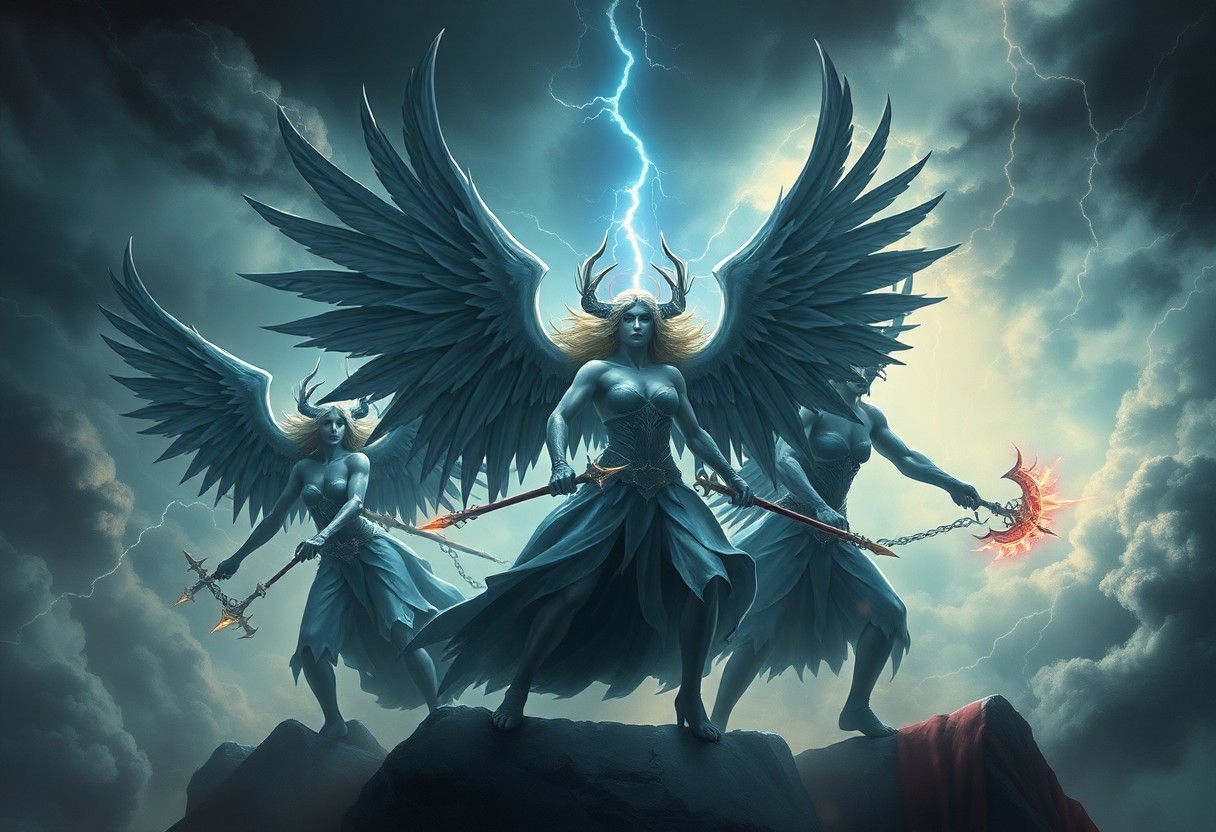
Furies in Greek Mythology
One of the most striking aspects of Greek mythology is the presence of the Furies, also known as Erinyes. These fierce deities embody vengeance and retribution, striking fear into the hearts of those who commit grave offenses, especially against family. Emerging from the ancient belief systems, the Furies serve as a reminder of retribution, underscoring the significance of moral order within the universe.
Their Role in Mythological Narratives
The Furies play a central role in various mythological narratives, often representing the dark side of justice. You will find them enforcing moral codes and punishing wrongdoers, particularly those who have escaped earthly justice. Their relentless pursuit ensures that no crime goes unpunished, which adds an intriguing layer to the stories they inhabit.
Notable Myths Involving the Furies
Any exploration of the Furies would be incomplete without mentioning their prominent roles in classical myths such as the story of Orestes and the punishment of Lycurgus. These tales showcase their unwavering commitment to avenging familial transgressions, reinforcing the belief that justice must be served.
Notable myths like the trial of Orestes highlight how the Furies relentlessly pursued him for avenging his father’s murder by killing his mother. This tale encapsulates their dual nature as both avengers and protectors of familial integrity. Additionally, stories of Lycurgus illustrate their demand for respect towards the gods, as his punishment stems from his refusal to honor them. These narratives not only emphasize the Furies’ importance in maintaining justice but also reflect the societal fears surrounding divine retribution.
The Legacy of the Furies
After centuries of evolution, the legacy of the Furies remains a powerful symbol of justice and retribution in various cultures. You can trace their influence from ancient Greece through to modern-day interpretations, where they embody the universal themes of vengeance and moral accountability. This legacy serves as a reminder of the complexities surrounding justice and the dire consequences that can arise from the pursuit of retribution.
Influence in Modern Literature and Art
Between the pages of modern literature and the strokes of contemporary art, the Furies’ presence resonates deeply. Authors and artists draw inspiration from their unyielding nature, capturing the essence of their relentless pursuit of justice. As you explore these realms, you’ll find your perception of vengeance entwined with themes of morality, making the Furies an enduring muse that continues to challenge and inspire the creative mind.
Interpretations in Contemporary Culture
Across various facets of contemporary culture, the legacy of the Furies manifests in diverse and often unexpected ways. Their archetype appears in films, television series, and even video games, where they represent the darker aspects of justice and vengeance. You may notice that these interpretations often reflect societal struggles for fairness, providing a lens through which you can examine your understanding of right and wrong in today’s world.
The Furies serve not only as harbingers of vengeance but also as a moral compass, urging you to consider the implications of justice in your everyday life. In movies, you can see them represented as avenging spirits or themes of retribution portrayed against an unjust system. This archetype echoes in modern societal dilemmas, highlighting how personal and collective grievances shape our understanding of fairness. As you engage with these narratives, reflect on how the Furies invite you to explore the consequences of vengeance and the ongoing quest for justice in your culture.
Comparative Analysis
Once again, we probe into the themes and characteristics of the Furies in comparison to similar mythological figures worldwide. Through this analysis, you can discover how these relentless spirits of vengeance echo in various cultures, highlighting their universal significance in understanding justice and retribution.
Comparison of Vengeful Spirits
| Culture | Spirit/Entity |
|---|---|
| Greek | Furies (Erinyes) |
| Hindu | Shakti |
| Japanese | Yurei |
| Norse | Valkyries |
Similar Spirits of Vengeance in Other Cultures
Along your journey through mythology, you will find that many cultures have their own representations of vengeful spirits. The Shakti in Hinduism embodies divine wrath, while Yurei from Japanese folklore are souls seeking justice. The Valkyries from Norse mythology also embody the theme of vengeance, selecting those who may live or die in battle.
The Furies’ Unique Position in Mythology
By examining the Furies, you find their unique role as both avengers and guardians of justice. Unlike other spirit entities, they enforce divine retribution, emphasizing the balance between human actions and their consequences. These characteristics set the Furies apart in mythology and reinforce their significance in your understanding of moral codes.
This distinct positioning allows the Furies to serve as a warning against moral transgressions. Their relentless pursuit of wrongdoers not only instills fear but also reflects the societal norms and values of ancient Greece. You can recognize that through the Furies, mythology captures the essence of justice and the inevitable repercussions of one’s actions, ensuring that moral order is maintained in the universe. This multifaceted role underscores the importance of the Furies in both historical context and contemporary interpretations of vengeance and justice.
Summing up
As a reminder, the Furies, or Erinyes, embody the relentless spirits of vengeance in ancient mythology. You can see them as manifestations of moral retribution, punishing those who commit grave injustices. Their fierce presence serves to remind you of the importance of accountability and the consequences of one’s actions. Engaging with the mythology surrounding these powerful figures can deepen your understanding of justice and morality in human society. They are more than mere myth; they represent an integral aspect of our collective conscience that still resonates today.


