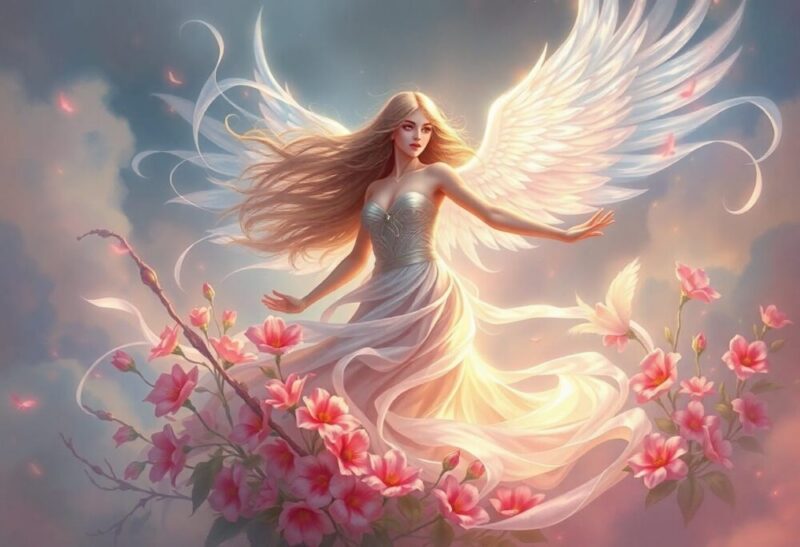
You may find yourself enchanted by the soft whispers of the morning wind, a gentle reminder of the divine presence of Aura, the swift goddess of the morning breeze in ancient mythology. As a personification of the refreshing winds that herald the break of day, Aura embodies not only the beauty of nature but also the significance of renewal and rejuvenation. In this blog post, you will explore her fascinating origins, her role in various myths, and how she continues to inspire art and culture today.
Symbolism and Representation
It is crucial to understand that Aura symbolizes the gentle, refreshing aspects of nature, embodying the soft caress of morning winds. Her presence signifies renewal and the awakening of both the earth and your spirit. The symbolism associated with Aura invites you to embrace the start of a new day, inspiring feelings of hope, vitality, and the promise of new beginnings.
Physical Depictions
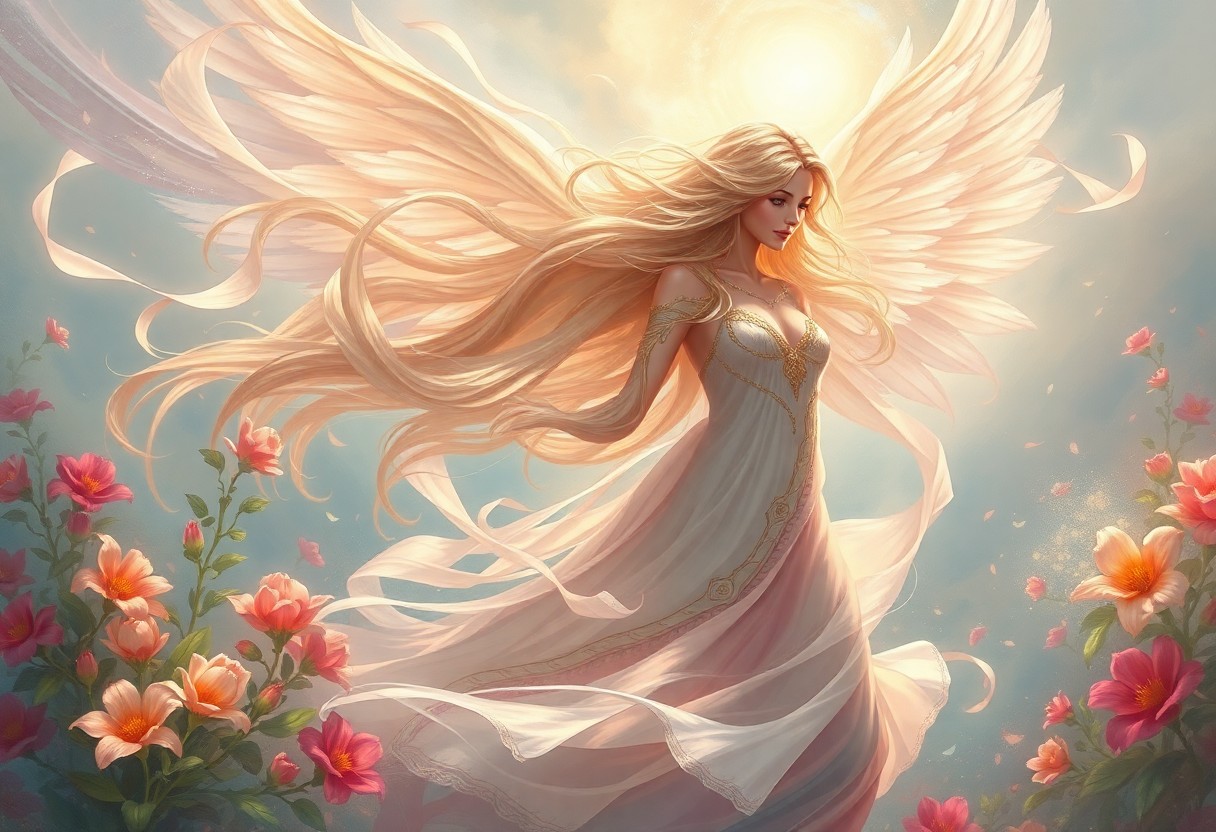
Among the artistic portrayals of Aura, she is often depicted as a delicate, ethereal figure surrounded by light, representing the soft glow of dawn. Artists frequently illustrate her with flowing garments that mimic the movement of air, and often include elements like flowers or leaves, emphasizing her connection to nature and vitality, inviting you to lose yourself in her serene beauty.
Cultural Significance
Cultural interpretations of Aura emphasize her role in mythology and the arts, personifying the freshness of the morning and the beauty of nature’s rebirth.
And as you explore different cultures, you’ll find that Aura has influenced literature, painting, and poetry, serving as a timeless muse for artists and poets alike. Her significance extends beyond mere beauty, reflecting the collective human appreciation for nature’s wonders and the transitional moments that mark the passage of time. Through her, you connect to the universal themes of beginning, renewal, and the ever-present cycle of life, encouraging you to cherish everyday moments of tranquility and awakening.
Aura in Art and Literature
Any exploration of Aura in art and literature reveals her significance across various mediums. As the embodiment of the gentle morning breeze, she has inspired countless artists and writers, each interpreting her essence in unique ways. You can observe how she symbolizes renewal and hope, manifesting in visual styles and narrative forms that celebrate the arrival of new beginnings.
Artistic Interpretations
Across centuries, artists have captured Aura’s ethereal quality in their works. You might notice that paintings often depict soft sunlight filtering through delicate leaves, invoking the feeling of a refreshing breeze. Sculptors, too, have created pieces that reflect the fluidity and grace associated with her, allowing you to experience the essence of nature’s gentle embrace through their art.
Literary References
At the heart of literary exploration, Aura emerges as a symbol of freedom and revitalization. Her presence in poetry and prose inspires readers to reflect on the beauty of beginnings and the promise of a new dawn. Notably, authors often weave her imagery into their narratives to evoke emotional landscapes that resonate with your own experiences of hope and renewal.
Aura embodies the spirit of transformation in literature, representing the transition from darkness to light. You’ll find her woven into the tapestry of many timeless works, from classic poetry to modern novels. By embracing her character, writers emphasize themes of growth and awakening, allowing you to connect deeply with the human experience of change and rebirth. Dive into these literary references, and you may discover personal insights that reflect your own journey.
Worship and Rituals
Not every culture has maintained the same fervor in their worship of Aura, the swift goddess of the morning breeze. However, those who do honor her often partake in rituals at dawn, focusing on gratitude and connection to nature. Through offerings such as fresh flowers and sweet fragrances, you can evoke her presence and invite her gentle blessings into your life.
Ancient Practices
On ancient altars, devotees would offer libations of honeyed wine and chant hymns in praise of Aura. By celebrating her through dance and poetry, communities sought to harness her invigorating energy, welcoming the day with open hearts. You can explore these traditions and acknowledge their profound connections to the natural world.
Modern Interpretations
Across today’s landscapes, people have reimagined worship of Aura through rituals that blend ancient practices with contemporary spirituality. Meditation at sunrise and nature walks are prevalent ways to connect with her soothing essence, fostering a sense of peace within you.
Even as modern interpretations evolve, the essence of Aura’s worship remains rooted in mindfulness and appreciation. You can create your own rituals, whether through quiet reflection in nature or group gatherings at dawn, nurturing a personal connection with the goddess. By embracing her spirit in daily life, you allow Aura’s morning breeze to inspire and uplift your journey.
Aura in Popular Culture
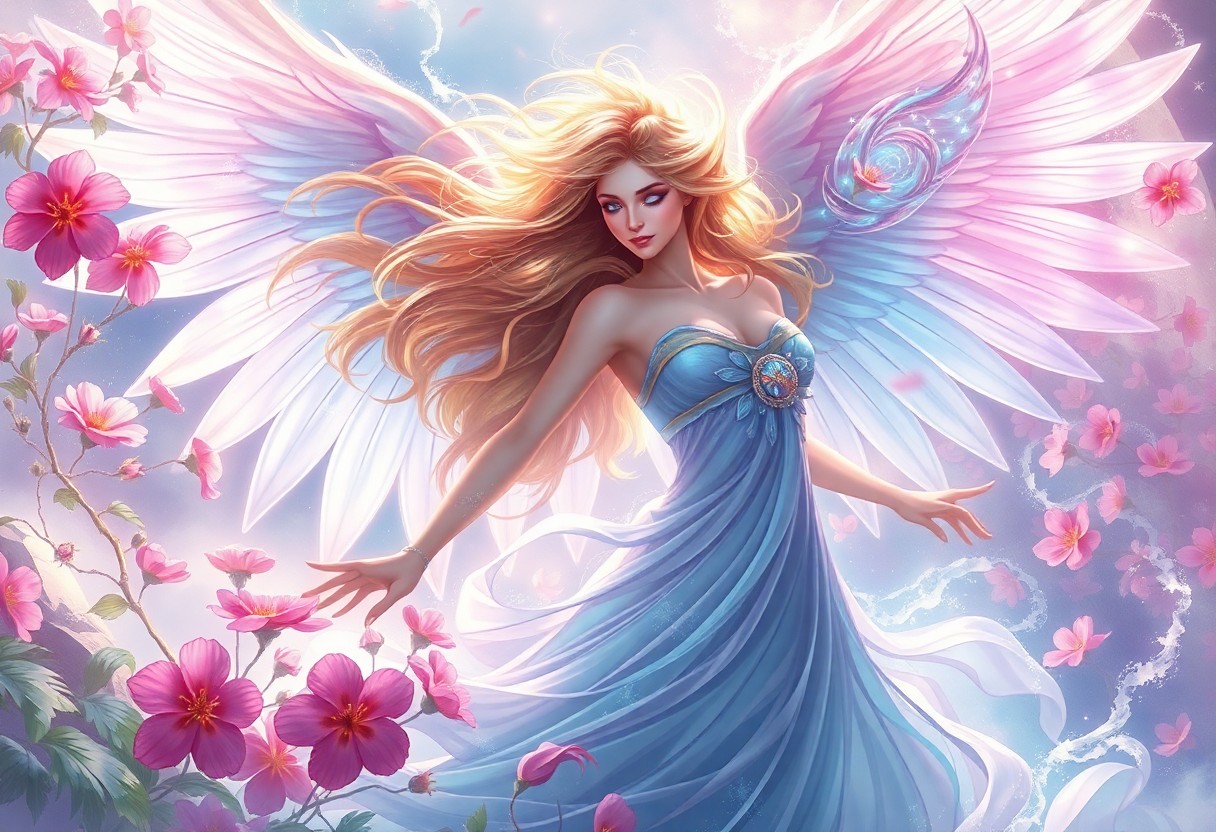
Now, you may find Aura’s influence pervasive in various forms of popular culture, where her essence is woven into stories, art, and entertainment. From literature and film to fashion and music, her representation embodies the enchanting quality of breeze and ephemeral beauty, allowing you to connect with her spirit in contemporary settings. You might discover how Aura’s character inspires creativity, as she represents both freedom and the fleeting nature of life itself, resonating with artists and audiences alike.
Media Appearances
Along your journey through media, you will encounter Aura in numerous forms. She often appears in animated series, films, and video games, where her persona reflects her divine connection to the wind. Whether depicted as a serene figure guiding characters through their adventures or a vibrant spirit enhancing a magical landscape, you can appreciate how her character brings elements of nature to life, reminding you of the ethereal qualities present in your everyday surroundings.
Influence on Modern Mythology
For many, Aura represents the captivating way ancient mythology continues to shape modern narratives. Her characterization has evolved, inspiring contemporary interpretations that resonate with today’s themes of freedom, nature, and femininity. Artists and writers often channel her spirit, infusing their creations with her essence—inviting you to explore the deeper meanings behind the stories that touch your soul.
At the intersection of ancient mythology and modern storytelling, you can see how Aura’s character remains relevant. Her influence permeates literature and art, sparking a renewed interest in mythological themes that connect with your experiences. Authors and creators draw upon her symbolism to illustrate concepts like change, evolution, and the transient beauty of life. As you investigate into these narratives, you will find that the essence of Aura invites you to reflect on your relationship with nature and the ephemeral moments of joy that define your journey.
Comparative Analysis
Keep in mind the importance of understanding how Aura, the Swift Goddess of the Morning Breeze, compares to other deities in Greek mythology. The following table highlights significant aspects of Aura in relation to similar figures:
| Aura | Similar Deities |
|---|---|
| Goddess of the morning breeze | Nyx – Goddess of Night |
| Associated with the transition of day | Eos – Goddess of Dawn |
| Represents light and fresh beginnings | Zephyrus – God of the West Wind |
Similar Deities
Between the various deities in Greek mythology, you can find figures like Eos and Nyx, who represent contrasting aspects of time and nature. Eos, the goddess of dawn, shares a connection with Aura as both signify transitions — one into dawn and the other into a fresh breeze that accompanies it. Nyx, on the other hand, embodies the night and serves as a foil to Aura’s light and renewal, highlighting the significant interplay between their respective domains.
Unique Attributes of Aura
Between Aura and other deities, her unique attributes set her apart as a personification of the refreshing morning breeze. She embodies not just a seasonal shift but a vital rejuvenation at the start of each day, symbolizing hope and new beginnings that you can feel in the air. Her presence is often linked with inspiration, as it invigorates both nature and humanity alike, creating an atmosphere of vitality for all.
Even the most simple morning breeze can be invigorating, yet Aura encapsulates the essence of this experience. You may notice how a gentle breeze can uplift your spirit and inspire creativity, connecting you to the natural world. Aura’s attributes are not only a reflection of her role in mythology but also speak to the profound impact that nature has on your daily life. Her association with renewal and vitality serves as a reminder of how the natural elements shape your mood and influence your well-being.
Summing up
Following this exploration of Aura, the Swift Goddess of the Morning Breeze, you gain a deeper understanding of her vital role in mythology and nature. Her essence embodies renewal and the gentle start of a new day, symbolizing hope and freshness. By acknowledging Aura’s significance, you can appreciate the subtle beauty of morning breezes and how they connect us to ancient beliefs. Let her influence inspire you to embrace each new day with an open heart and mind, welcoming the opportunities that come with the dawn.


