
Over centuries, the figure of Yerlik has emerged as a compelling representation of justice in the underworld within various mythologies. As you examine into the depths of ancient beliefs, you’ll discover how Yerlik embodies the concept of moral order, influencing the fates of souls after death. This post will guide you through the origins, characteristics, and significance of Yerlik, helping you appreciate the profound impact this figure has had on cultural narratives surrounding life, death, and the afterlife.
The Mythological Background of Yerlik
A profound figure in mythology, Yerlik embodies the essence of judgment and the afterlife, serving as a bridge between the mortal realm and the underworld. His role underscores the ancient belief systems that shaped societies, where the consequences of one’s actions were reflected in the afterlife. Understanding Yerlik’s significance enhances your appreciation of mythology and the cultural practices surrounding death and justice.
Origins and Historical Context
Mythological tales suggest that Yerlik’s origins can be traced back to ancient civilizations that revered the afterlife. His representation as a judge reflects a societal need to impose moral order and accountability for one’s actions, derived from deep-rooted beliefs that governed human behavior. As you explore your own understanding of justice, consider how these early frameworks shaped contemporary views of morality.
Yerlik in Various Cultures
Mythological interpretations of Yerlik vary across cultures, each infusing unique elements into his character and attributes. From the Turkic traditions to the realms of Slavic folklore, Yerlik holds a significant place in the narratives of life after death. Understanding these variations allows you to appreciate how different societies interpret justice, morality, and the afterlife through the lens of their unique experiences.
Plus, regional variations highlight the adaptability of Yerlik’s mythos. In some cultures, he is depicted more as a stern punisher, while in others, he embodies compassion and guidance for lost souls. Exploring these distinctions reveals how your own cultural background shapes your perceptions of justice and morality, allowing for a deeper connection to the universal themes embedded in the tales of Yerlik.
The Role of Yerlik in the Underworld
Some might wonder about Yerlik’s importance in the underworld. As a central figure, Yerlik oversees the souls of the deceased, determining their fate based on the actions and decisions made during their lifetime. Your understanding of this role is instrumental in grasping the intricacies of moral judgment within this mystical realm.
Functions as a Judge
Any discussion of Yerlik would be incomplete without examining the responsibilities tied to his position as a judge. He assesses each soul, weighing their good deeds against their transgressions, ensuring that justice is served fairly and impartially.
The Process of Judgment
Along with his role as a judge, the process of judgment is a fundamental aspect of Yerlik’s duties. Each soul stands before him in a trial-like scenario where their life deeds are recounted and evaluated.
Hence, the judgment process involves a meticulous examination of your actions, where every moment of kindness or cruelty is laid bare. You are not merely judged on isolated events, but rather on the entirety of your life choices. This comprehensive review ultimately influences your destination in the afterlife, offering the chance for redemption or the consequence of punishment. Yerlik’s judgment fosters a profound understanding of moral values and accountability, making it an imperative experience for every soul.
Symbolism and Representation of Yerlik
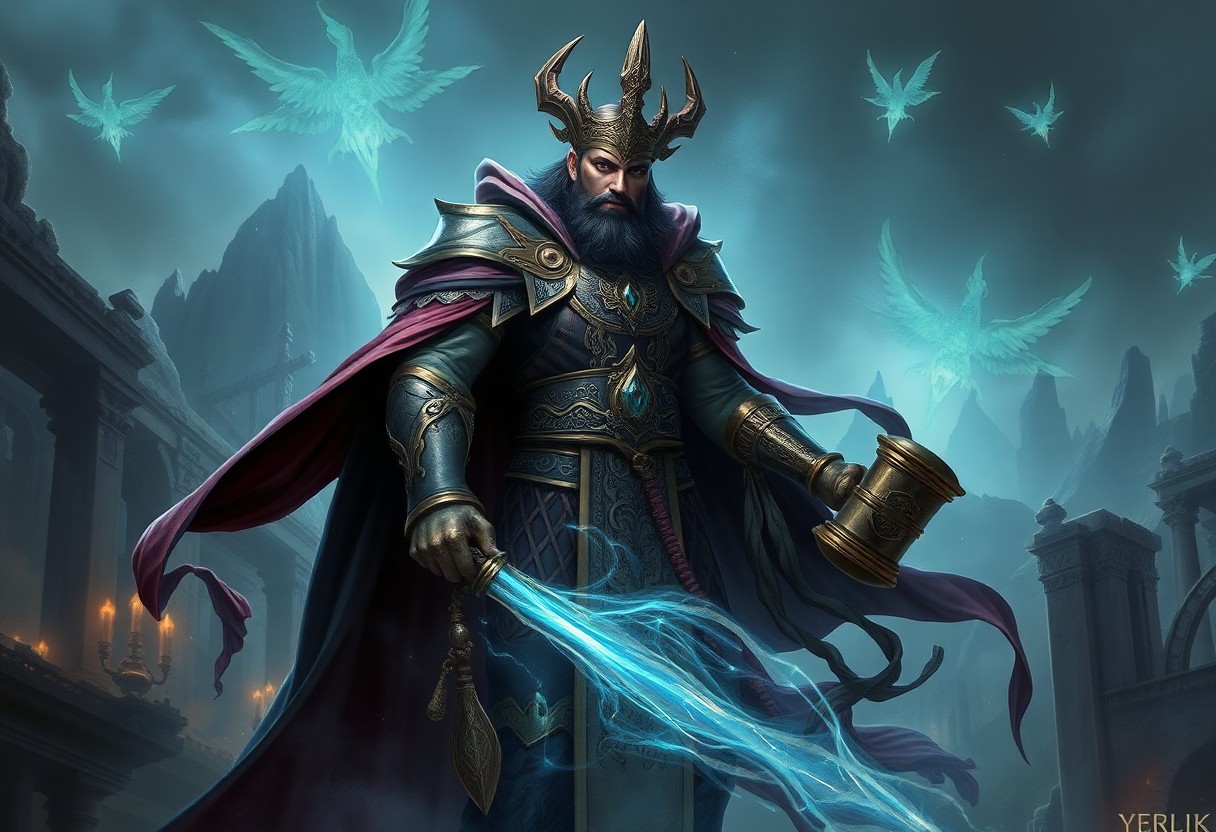
While delving into the symbolism of Yerlik, you uncover the multifaceted aspects of this enigmatic figure. Yerlik embodies the balance between life and death, often viewed as the mediator of the afterlife. His representation reflects the cultural beliefs surrounding mortality, justice, and the cyclical nature of existence, making him a profound symbol in mythological narratives.
Artistic Depictions
About the artistic portrayals of Yerlik, you can see a rich tapestry where he is often depicted with attributes that signify his role as the judge of the underworld. Artists frequently represent him with scales or a sword, encapsulating themes of judgment and balance. These depictions not only illustrate his authority but also invoke the reverence that societies hold for the concept of justice in the afterlife.
Mythological Interpretations
Artistic interpretations of Yerlik invite you into an intricate narrative woven throughout history, revealing varied cultural lenses through which his character is viewed. From ancient folklore to contemporary adaptations, Yerlik’s essence evolves, reflecting societal fears and hopes regarding death, moral accountability, and the afterlife.
Even as you explore the diverse mythological interpretations, you find that Yerlik serves as a manifestation of humanity’s quest for understanding the unknown. Each culture imprints its values onto his legend, marrying the concepts of justice and morality with the inevitability of death. This complexity allows you to appreciate how Yerlik remains a vital part of storytelling, resonating with those who grapple with the uncertainties that lie beyond life.
Yerlik’s Influence on Modern Culture
Unlike many ancient deities, Yerlik has left a significant mark on modern culture, intertwining traditional beliefs with contemporary expressions. You can observe traces of Yerlik’s presence in various art forms, including visual art, music, and even popular festivals that draw inspiration from ancient rituals. This fusion reflects a broader fascination with mythological figures and their enduring relevance, inviting you to explore how ancient narratives can shape current societal values and creativity.
Yerlik in Literature and Film
Any exploration of contemporary literature and film reveals Yerlik’s shadow, as storytellers often draw upon his themes of judgment and the afterlife. You may find characters that echo his authoritative nature in your favorite novels and films, providing a modern lens through which to view age-old conflicts between good and evil. Through literary allusions and cinematic portrayals, Yerlik transcends time, allowing you to engage with deeper existential questions.
Contemporary Beliefs and Practices
Yerliks are often woven into the fabric of contemporary beliefs, as people rediscover the significance of ancient deities in their spiritual practices. You might encounter rituals or gatherings that invoke Yerlik’s wisdom, emphasizing moral order and justice in a chaotic world. These modern interpretations help bridge the gap between past and present, encouraging you to explore how ancient concepts of the afterlife still resonate today.
The resurgence of interest in Yerlik reflects a growing desire to connect with cultural roots and spiritual traditions. You may find communities that celebrate ancient myths through reenactments or festivals designed to honor the underworld’s judge. By participating in these practices, you engage in a collective reaffirmation of values such as justice, morality, and the cyclical nature of life and death. This revival fosters a sense of identity and continuity, allowing you to reflect on your personal beliefs in relation to a rich cultural heritage.
Comparative Analysis with Other Underworld Figures
Many cultures have their own unique interpretations of the underworld and its judges. Understanding Yerlik’s role in relation to other underworld figures can deepen your appreciation for his significance in mythology.
| Underworld Figure | Key Characteristics |
|---|---|
| Hades (Greek) | Ruler of the Underworld, associated with wealth and the afterlife. |
| Osiris (Egyptian) | God of the afterlife, judge of the dead, linked to resurrection. |
| Yama (Hindu) | God of death, enforcer of moral law, guides souls to the afterlife. |
Similarities with Other Deities
By examining other underworld deities, you may notice that Yerlik shares common roles, such as overseeing the afterlife and judging souls. Like Hades and Osiris, he plays a critical role in ensuring balance between life and death, upholding moral codes that guide the departed.
Unique Aspects of Yerlik
By focusing on Yerlik, you will discover distinct features that set him apart from his counterparts. His dual role as a judge and gatekeeper incorporates elements unique to his cultural context, presenting a different narrative about the afterlife.
Considering Yerlik’s role, you can appreciate how his judgment is directly tied to the earthly actions of individuals, emphasizing accountability. Unlike other figures who may portray detachment, Yerlik embodies a more personal connection to the souls he judges. His distinct portrayal also embodies elements of local folklore, intertwining with human experiences, making him a truly unique figure in the pantheon of underworld deities.
Theological Implications of Yerlik’s Judgments
Now, the judgments of Yerlik hold profound theological implications that resonate with your understanding of morality and justice in the underworld. By embodying both retribution and mercy, Yerlik reinforces the belief that every action has a consequence, shaping your perception of divine judgment. This duality compels you to reflect on your ethical choices during life, knowing they will inevitably echo in the afterlife.
Ethical Considerations
Judgments made by Yerlik serve as a moral compass for you, urging an examination of ethical behavior. The certainty of facing consequences in the underworld captivates your attention, fostering a sense of accountability in your daily actions. This awareness drives you to cultivate virtues that align with a harmonious existence, shaping your character while navigable the complexities of life.
Impact on Afterlife Beliefs
Beliefs surrounding Yerlik fundamentally influence how you perceive afterlife dynamics. The inevitability of judgment impacts your worldview, prompting you to make choices that align with the moral framework that governs the underworld. It shapes your understanding of fate, encouraging you to act with intention, knowing that each decision affects your standing before Yerlik.
With each judgment rendered by Yerlik, you gain insight into the complexities of morality and consequence that permeate the afterlife. This creates a landscape where your actions during life not only determine your fate but also shape the essence of your existence beyond the grave. The stark reality of facing Yerlik’s assessment nurtures an ongoing dialogue within you about right and wrong, ultimately guiding your spiritual journey. Such beliefs compel you to live authentically, enhancing your moral landscape.
Final Words
Hence, you can appreciate the profound significance of Yerlik, the Judge of the Underworld, in shaping ancient narratives surrounding life, death, and morality. His role serves as a reminder of the delicate balance between justice and the afterlife, offering insight into how cultures grapple with the questions of existence and consequence. By understanding Yerlik’s influence, you gain a deeper perspective on the values and beliefs that underpin human experiences across time and space, enriching your own understanding of myths and their implications in modern storytelling.


