
With a rich tapestry of beliefs and traditions, Shchur represents the spectral ties between you and your ancestors, offering insights into how they continue to influence your life. This fascinating phenomenon sheds light on how ancestral spirits—known as Shchurs—are believed to protect, guide, and even communicate with the living. By exploring the stories and practices surrounding Shchur, you can deepen your understanding of your family’s legacy and the unseen forces that linger in your surroundings. Join us as we unravel the mysteries of these ghostly guardians and their impact on your daily life.
Historical Background of Shchur
Before delving deep into the Shchur legend, it’s important to understand the historical context that shaped this belief. Emerging from Eastern European folklore, the Shchur is portrayed as the spirit of an ancestor who keeps watch over their living descendants. Over centuries, this ghostly figure has woven itself into the cultural fabric of traditions, rituals, and storytelling, serving as a reminder of the connection between past and present. The tales of Shchur reflect a rich tapestry of heritage that continues to influence your understanding of life, death, and familial bonds.
Origins of the Shchur Legend
Against the backdrop of ancient cultures, the Shchur legend originated from a blend of Slavic beliefs and local superstitions. It is said that the spirits of ancestors, known as the Shchur, manifest in times of need or crisis, guiding and protecting their living kin. While specific narratives may vary by region, the central theme remains—a deep reverence for those who have come before you and the belief that they are never truly gone. This connection to ancestry is powerful, shaping how communities engage with their past.
Cultural Significance in Folklore
Any exploration of Shchur in folklore reveals its profound cultural significance, as it embodies the collective memory of a community. Stories of Shchur are often shared during gatherings, reinforcing familial ties and cultural identity. This spirit serves as a moral compass, imparting lessons of responsibility and respect towards one’s ancestors. By honoring the Shchur, you acknowledge the sacrifices of those before you while fostering a sense of continuity that binds generations and sustains a shared heritage.
Historical narratives illustrate how the Shchur embodies not just personal connections, but communal identity as well. These tales serve as a vehicle for understanding moral values, ethical behavior, and the importance of lineage in your own life. By sharing stories of the Shchur, communities participate in a vital dialogue with their past, affirming that while life may change, the essence of family and tradition endures. This timeless connection can have a grounding effect, reminding you that you are part of a larger story that stretches far beyond your own existence.
Description and Characteristics of Shchur
If you research into Slavic folklore, you’ll find that Shchur represents the spirits of ancestors who keep a watchful eye over their descendants. Often regarded as protectors, these entities embody traits such as wisdom and intuition, guiding you through life’s challenges. They are both revered and feared for their dual nature, capable of blessing as well as punishing based on the actions of the living.
Appearance and Manifestations
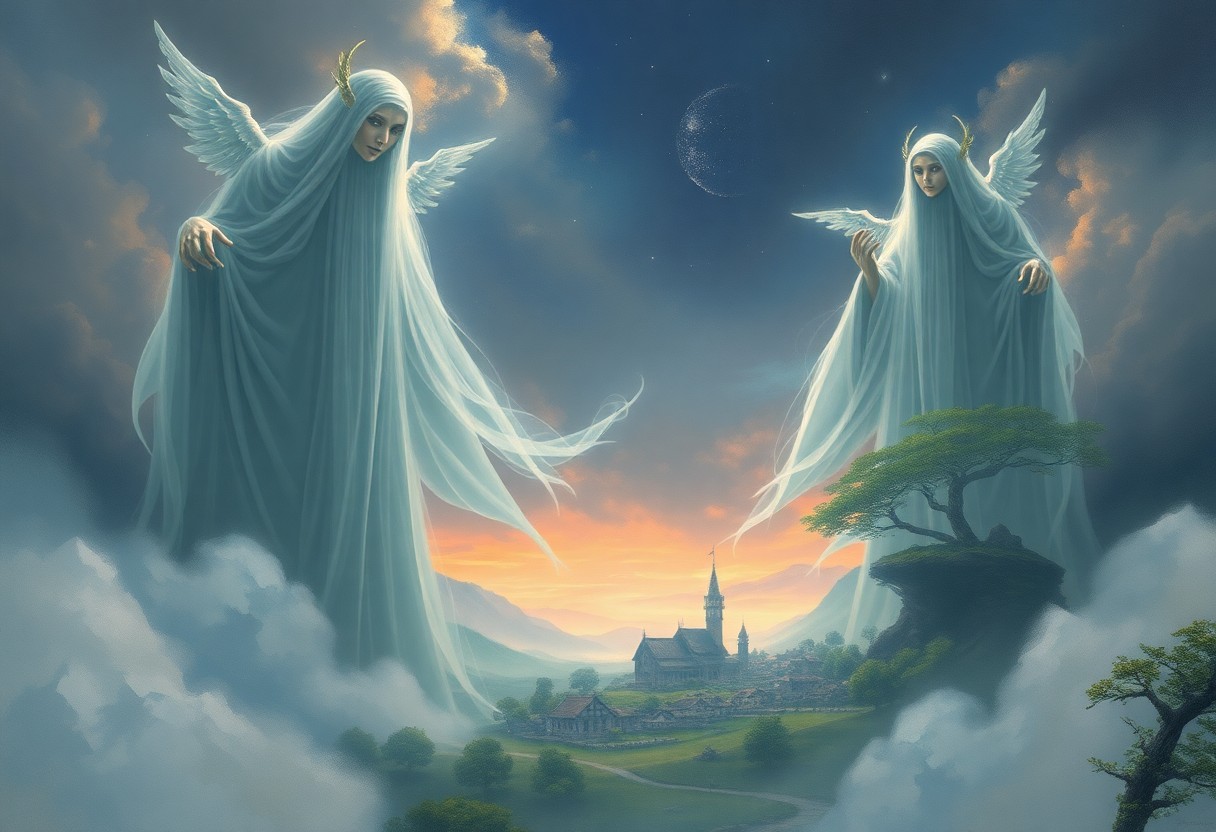
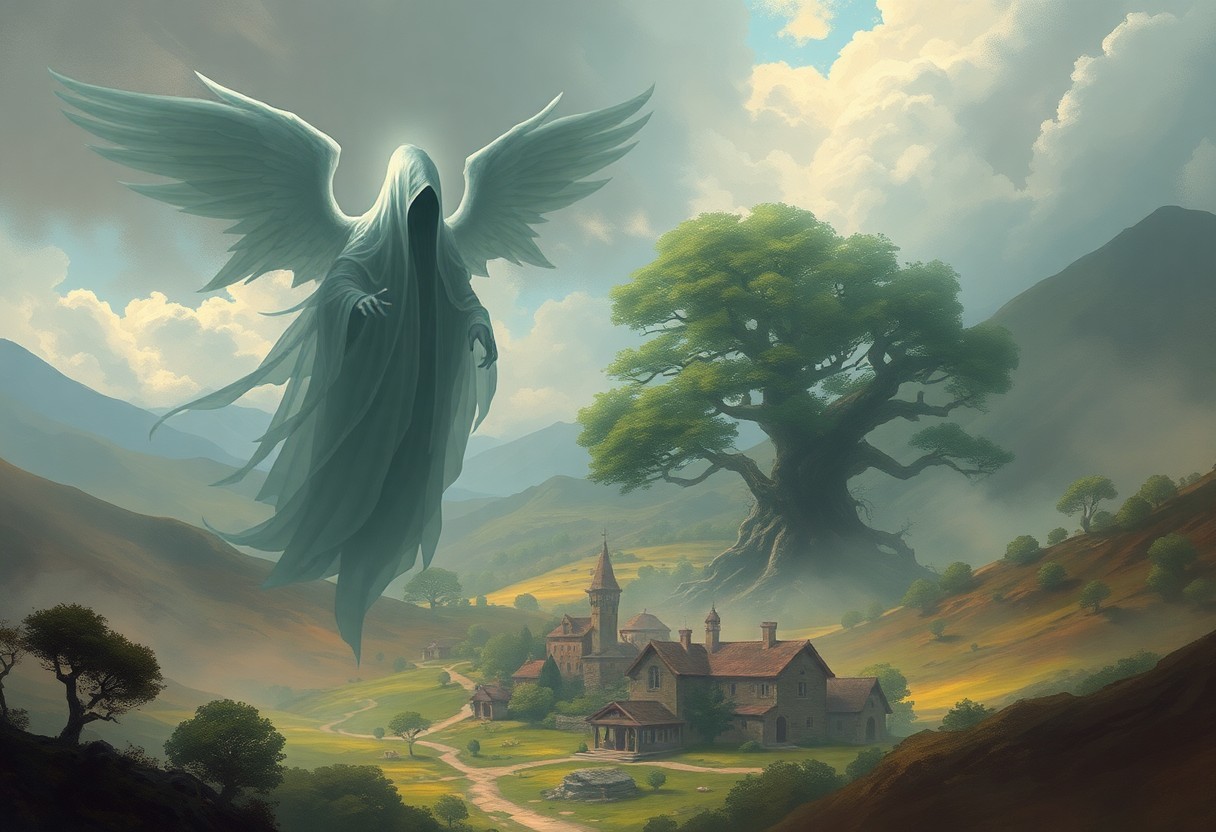
At times, Shchurs may appear as ethereal beings, often cloaked in white or grey, merging seamlessly with their surroundings. Their presence can be felt rather than seen, manifesting as a sudden chill in the air or a faint whisper in the wind. You might encounter them in dreams or during significant life events, serving as reminders of your lineage and the importance of honor within your family.
Symbolism in Spiritual Beliefs
With their deep-rooted connection to ancestral lineage, Shchurs are symbolic of the bridge between the living and the spiritual world. They embody the respect and reverence given to one’s heritage, teaching you the value of remembering your roots and honoring those who came before you.
In fact, Shchurs are often seen as guardians who guide you in making ethical decisions influenced by ancestral wisdom. This symbolism extends to rituals focused on honoring ancestors, where you may call upon Shchurs for protection or guidance during pivotal moments. By acknowledging their presence, you not only enrich your spiritual journey but also strengthen your ties to your heritage, allowing you to pass down stories and lessons to future generations.
Shchur in Contemporary Culture
Some aspects of Shchur continue to resonate in modern culture, reflecting a growing interest in ancestry and spiritual connections. You might notice how contemporary discussions of heritage often evoke the themes associated with Shchur, emphasizing the significance of family ties and the belief that ancestors are ever-present influences in our lives.
Depictions in Literature and Media
About the portrayal of Shchur in literature and media, you will find various interpretations that highlight this entity’s role as a guardian and guide. Characters inspired by Shchur often navigate their lives with the wisdom and support of their ancestors, showcasing a blend of tradition and modernity that appeals to your sense of identity and belonging.
Influence on Modern Spiritual Practices
Shchur influences not only cultural narratives but also modern spiritual practices, emphasizing your connection to ancestral guidance.
This connection manifests through rituals, like remembrance ceremonies and ancestor veneration, encouraging you to open channels of communication with your past. By integrating elements of Shchur into your spiritual routine, you can nurture a deeper understanding of who you are and where you come from, fostering personal growth and community ties that resonate with your lineage.
Rituals and Offerings to the Shchur
Despite the passage of time, rituals and offerings to the Shchur remain an integral part of honoring ancestors. These practices often take place during significant events or transitions in life, such as marriages, births, and memorials. You can engage in these customs by preparing specific foods and items that your ancestors favored, creating a spiritual connection that reinforces their protective presence in your life.
Traditional Practices and Customs
About the rituals associated with the Shchur, you will find that many involve storytelling, communal gatherings, and the sharing of food. These time-honored traditions create a sense of unity and continuity, allowing you to connect deeply with your heritage and the wisdom of your forebears. Engaging in these customs fosters a bond with your ancestors, offering you guidance and support.
Modern Adaptations and Interpretations
Shchur rituals have evolved to incorporate contemporary elements while maintaining their core significance. You may find that modern adaptations include personalized offerings and innovative ceremonies tailored to individual beliefs and lifestyles. This flexibility allows you to express your reverence for the Shchur in a way that is meaningful and relevant to your life.
Indeed, as you explore these modern interpretations, consider how technology plays a part in honoring the Shchur. Many individuals now utilize social media and online platforms to share stories, memories, and even virtual rituals with a wider community. This evolution not only preserves traditions but also invites new voices and experiences into the honoring process, ensuring that the bond between the living and their ghostly ancestors remains strong in contemporary society.
The Shchur’s Role in Family and Community
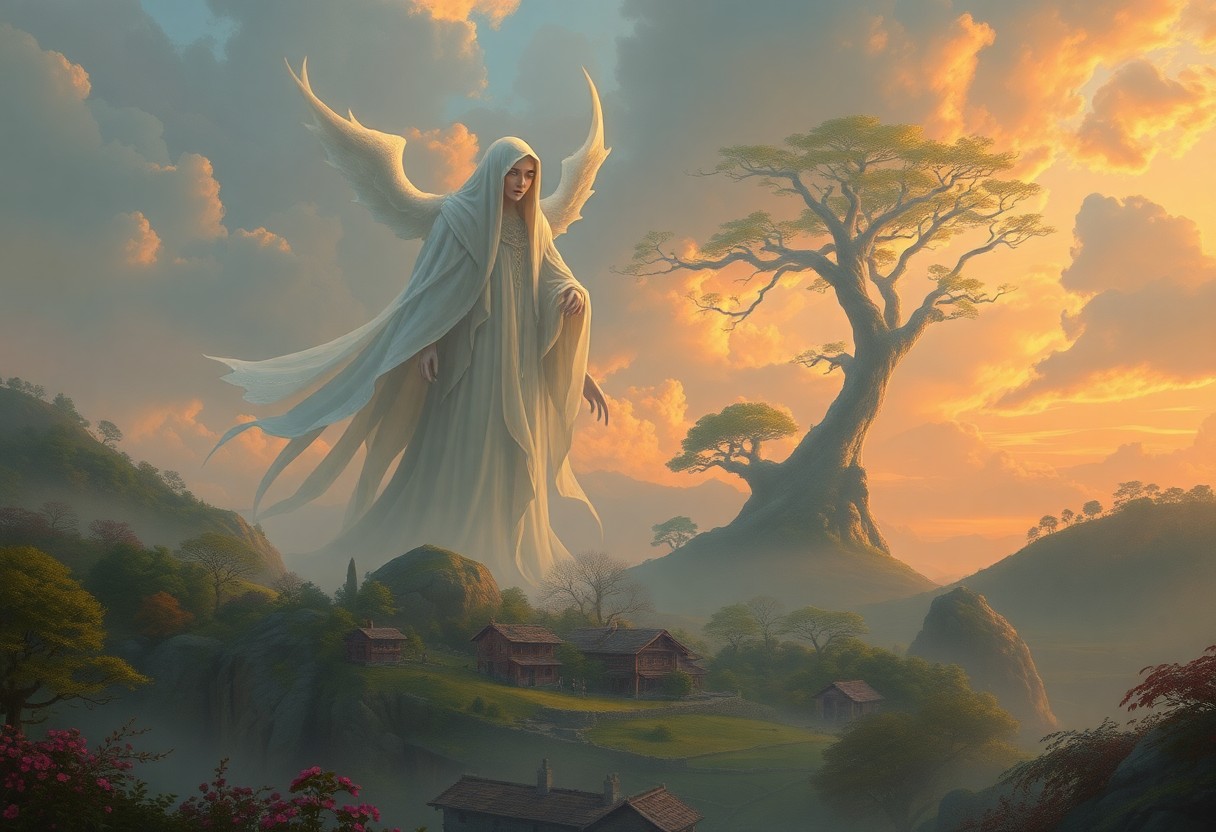
Unlike mere folklore, the Shchur embodies a significant role within your family and community, acting as a bridge to your ancestral roots. This spirit is believed to oversee familial well-being, guiding you in times of decision-making and adversity. The presence of the Shchur cultivates a sense of unity, reminding you of the importance of preserving familial values and traditions that have been passed down through generations.
Guardians of Ancestry and Heritage
By understanding the Shchur, you gain insight into the ways it serves as a guardian of your ancestry and heritage. This entity connects you with your past, encouraging you to honor and celebrate the stories and traditions of your forebears. The Shchur instills a sense of pride in your lineage, reminding you of the resilience and sacrifices made by those who came before you.
The Shchur in Community Events
With the Shchur woven into the fabric of communal activities, its presence enriches local traditions and gatherings. You may find that festivals, rituals, and celebrations often invoke the Shchur to bless the events, ensuring their success and fostering connections among participants.
Due to its integral role in community gatherings, the Shchur often becomes a focal point that strengthens bonds among individuals. You might notice that rituals invoking the Shchur not only honor the ancestors but also create opportunities for storytelling and sharing wisdom among community members. This collective remembrance aids in preserving cultural practices and allows you to engage with your heritage actively, fostering a sense of belonging and continuity within your community.
Comparative Analysis of Ghostly Ancestors
Your understanding of ghostly ancestors can greatly enhance by comparing similar beliefs across cultures. In various traditions, ancestral spirits serve as guardians, mediators, or guides, playing vital roles in the lives of the living. A comparative analysis across different cultures reveals intriguing similarities and unique practices surrounding these spectral figures.
Similar Figures in Other Cultures
| Culture | Aspect of Ancestors |
|---|---|
| Chinese | Respect for ancestors through elaborate rituals and offerings. |
| African | Belief in ancestors as protectors and sources of wisdom in decision-making. |
| Native American | Reverence for ancestors in ceremonies, keeping their spirits alive in community memory. |
Similar Figures in Other Cultures
Along your journey to explore the concept of ghostly ancestors, you’ll discover numerous cultures with similar figures that embody the essence of the departed. In many societies, these spirits are honored through rituals and remembrances, guiding the living and influencing their daily lives.
The Universality of Ancestral Spirits
Any exploration of ancestral spirits will reveal their universal presence across cultures. From ancestral worship in Asia to the veneration of spirits in Africa and the Americas, the belief in ancestors reflects humanity’s deep-rooted connection to those who came before. This connection often serves as a source of strength and guidance.
Comparative studies show that the universality of ancestral spirits underscores a shared human experience—the desire to maintain ties with those who have passed on. In many cultures, these spirits are revered not just as memories but as vital forces that influence health, fortune, and wisdom for the living. Engaging with these beliefs can deepen your understanding of the past, enriching your connection to your heritage and those who watch over you.
Summing up
Ultimately, understanding Shchur as the ghostly ancestors watching over the living allows you to appreciate the profound connection between the past and the present in your own life. This cultural belief emphasizes that your ancestors play an ongoing role in guiding and protecting you, fostering a sense of continuity and support. By acknowledging their presence, you invite a deeper relationship with your heritage, reinforcing the importance of family ties and the lessons that transcend generations.


