
Many cultures have their own unique tales and spirits, but few are as intriguing as Licho, the one-eyed spirit of misfortune. You may find that Licho embodies the darker aspects of fate, serving as a symbolic reminder of the unpredictability of life. This informative post will guide you through the origins, characteristics, and cultural significance of Licho, helping you understand how this enigmatic figure has shaped various beliefs surrounding luck and misfortune. Prepare to examine into the rich folklore that surrounds Licho, and discover his lasting impact on the stories we share today.
Origins of Licho
Your understanding of Licho begins with its ancient roots, where this one-eyed spirit of misfortune emerged from folklore as a powerful entity that embodies bad luck and adversity. Often depicted with a fierce countenance, Licho has been woven into the narratives of various cultures, influencing beliefs and behaviors surrounding misfortune and fate.
Historical Background
Behind the legend of Licho lies a rich tapestry of historical significance, originating from Slavic mythology where spirits were believed to roam and affect human lives. As tales of Licho spread across Eastern Europe, this enigmatic figure became synonymous with misfortune, instilling fear and caution in communities that sought to appease or avoid its wrath.
Cultural Significance
Around many cultures, Licho represents more than just misfortune; it embodies the fears and superstitions that shape human experiences. Often invoked in stories, rituals, and warnings, Licho serves as a reminder of the unpredictability of life and the importance of resilience in the face of adversity. This character acts as a cultural touchstone, prompting reflection on how societies confront hardship and the ways they find to cope with the inevitable ups and downs of existence. Through Licho’s narrative, you learn about the significance of luck, fate, and the human condition itself.
Characteristics of the One-Eyed Spirit
You may find the One-Eyed Spirit, Licho, to be an enigmatic figure steeped in folklore. Often associated with misfortune, he embodies treachery and bad luck, serving as a warning of impending doom. Many stories illustrate his cunning nature, suggesting that he possesses the ability to manipulate events to sow discord and despair in the lives of those who cross his path.
Physical Description
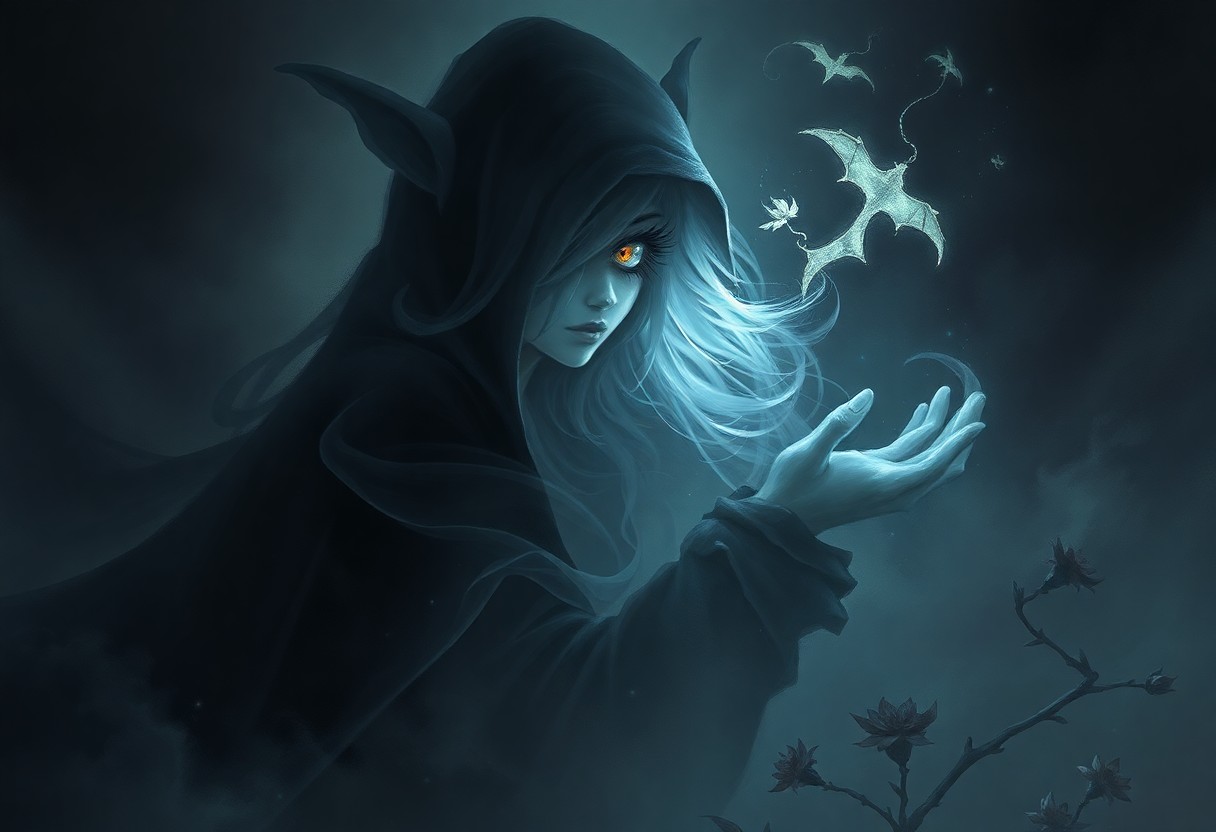
Between tales told across generations, Licho is often depicted with a sinister, imposing figure. His most defining feature is his glaring single eye, which seems to pierce through the very souls of individuals. Clad in tattered robes that blend into shadows, Licho moves silently, evoking a sense of foreboding that follows him wherever he goes.
Symbolism of the Eye
Spiritually, the eye of Licho symbolizes warning and vigilance. It acts as an all-seeing entity that witnesses both goodness and evil, serving as a reminder of the consequences that may follow careless actions. Many believe keeping an eye on one’s fortune prevents Licho from casting misfortune, making awareness a key to warding off his influence.
Indeed, the symbolism of the eye carries deep significance, reflecting how one’s actions can lead to fortune or misfortune. The eye does not merely represent observation; it serves as a lens through which fate is perceived. It warns you of the thin line between luck and calamity, urging vigilance and caution in navigating life’s unpredictable paths.

Licho in Folklore
Now, Licho stands as a prominent figure in Slavic folklore, representing misfortune and calamity. Your understanding of this one-eyed spirit brings attention to local tales that often portray Licho as a harbinger of bad luck. The stories entwine morality with superstition, reflecting the community’s values and fears surrounding misfortune in daily life.
Tales and Legends
Tales of Licho often serve as cautionary narratives. You might encounter stories where individuals encounter Licho during their moments of greed or arrogance, only to face the consequences of their actions. These legends not only emphasize the spirit’s role as an agent of misfortune but also embed moral lessons in the cultural consciousness.
Regional Variations
Behind the core character of Licho, regional variations showcase unique attributes and stories. Different communities might depict Licho with distinct appearances, such as a specific one-eyed design or unique attire that symbolizes local traditions. Each variation provides insight into how diverse cultures interpret misfortune and the spirit’s influence.
Further exploration reveals that in certain regions, Licho may not only embody misfortune but can also serve as a reminder of the cosmic balance between good and evil. In some tales, Licho is portrayed less as a malicious entity, instead, it plays a dual role, teaching individuals to embrace hardships as parts of life. Understanding these variations enriches your appreciation of how different cultures interpret the concept of misfortune through the lens of Licho, reflecting local values and beliefs.

The Role of Licho in Modern Society
To fully appreciate Licho’s significance, you must understand how this enigmatic spirit serves as a cautionary symbol in contemporary life. As people seek to navigate the complexities of existence, Licho embodies the misfortunes that can arise from neglecting personal responsibility and ethical choices. In this way, Licho encourages you to confront challenges and reflect on the consequences of your actions, reminding you that misfortune can often result from your own decisions.
Licho in Contemporary Storytelling
The tales of Licho have found their way into modern storytelling, adapting to resonate with contemporary audiences. You may encounter Licho in literature, film, and folklore, where it often personifies the unexpected twists of fate and the struggles individuals face in their journey. These narratives serve to enhance your understanding of perseverance and the human condition, illustrating how one-eyed Licho remains relevant in capturing the essence of misfortune in a relatable manner.
Influence on Popular Culture
An array of cultural references highlights Licho’s enduring influence on popular media. From films to video games, the character has evolved into a symbol of adversity, reminding you that misfortune is an integral part of life. You may even find elements of Licho’s narrative woven into the fabric of modern storytelling, bridging the gap between traditional lore and contemporary issues.
Even in today’s society, Licho’s essence can be found in various forms, such as shadowy figures in movies or challenging characters in video games. These portrayals often reflect your struggles with unexpected challenges and serve as a mirror for the real-life repercussions of your actions. By understanding Licho’s role in popular culture, you gain insight into how these themes of misfortune resonate with your everyday experiences, encouraging resilience and growth through adversity.
Rituals and Beliefs Surrounding Licho
Despite the ominous nature of Licho, many communities have developed a variety of rituals and beliefs designed to ward off the misfortune associated with this one-eyed spirit. You will find that these practices often intertwine with local traditions, emphasizing the importance of respect and caution when acknowledging Licho. Engaging in these rituals can provide a sense of control, offering a pathway to mitigate the unpredictable and often unwelcome influences of this ancient spirit.
Protective Practices
Beliefs surrounding Licho often lead to the adoption of protective practices meant to shield you from its potential harm. Rituals such as wearing specific amulets or performing certain chants at designated times can be crucial in creating a safe environment. Communities often gather to conduct these practices collectively, reinforcing their shared bonds and commitment to resisting Licho’s misfortunes.
Offerings and Sacrifices
One common approach to appease Licho involves making offerings and sacrifices that ensure a balance between respect and fear. These can include food, crafted items, or symbolic gestures aimed at pacifying the spirit, inviting a sense of harmony rather than hostility. Understanding the significance of these offerings can enhance your connection to local lore.
Consequently, these offerings are not just presented on a whim; they carry deep symbolic meaning related to your wishes for prosperity and protection. Each item is often chosen with care, reflecting particular hopes or addressing specific grievances you might hold against the spirit. Engaging in such practices provides an opportunity for you to express your intentions and desires, reinforcing your relationship with Licho and the community’s shared cultural heritage.
Interpretations of Misfortune
After delving into the lore surrounding Licho, you may find that various interpretations of misfortune arise from your understanding of this one-eyed spirit. Many cultures approach misfortune not merely as a stroke of bad luck, but as a means to instill awareness and promote reflection within one’s life. By viewing challenges as opportunities for growth, you can reshape your perspective on misfortune, transforming it from a negative experience into a valuable lesson for your personal development.
Understanding Misfortune through Licho
Above all, Licho symbolizes the inevitability of misfortune in your life, serving as a constant reminder that challenges are an inherent part of the human experience. Through the lens of Licho, you’re encouraged to embrace adversity, acknowledging that even the darkest moments can lead to enlightenment and resilience. This spirit embodies the belief that misfortune should not be feared, but understood as a natural cycle that influences your growth.
Coping Mechanisms
The experience of misfortune can be daunting, but developing effective coping mechanisms is vital for navigating these challenging times. You might find that creating a support system, practicing mindfulness, or engaging in creative outlets can significantly aid in alleviating the burden of misfortune. These strategies allow you to process your emotions and gain perspective, ultimately empowering you to face life’s uncertainties with greater confidence.
Due to the inherent unpredictability of life, establishing coping mechanisms is vital. By acknowledging your feelings and embracing your emotional responses, you create a safe space to heal. Activities such as journaling, meditation, or talking to friends can provide relief and help clarify your thoughts. You may also explore new hobbies or interests, allowing yourself to channel your energy into something constructive and fulfilling. This proactive approach not only helps mitigate the impact of misfortune but also fosters a sense of resilience, equipping you to face future challenges head-on.
Final Words
Presently, understanding Licho—the one-eyed spirit of misfortune—enriches your grasp of cultural beliefs surrounding luck and fate. By acknowledging this figure, you gain insights into how societies interpret adversity and mischance. Embracing the lore of Licho can serve as a reminder to navigate life’s challenges with resilience and insight. Whether viewed as a simple tale or a significant aspect of cultural identity, Licho empowers you to contemplate the complex interplay between luck and misfortune in your own life.


