
You may have heard of Dazhboh, the revered Sun God of the Slavic pantheon, who holds significant importance in Slavic mythology. As the embodiment of light and warmth, Dazhboh symbolizes life and prosperity, playing a pivotal role in agricultural practices and seasonal festivals. By understanding this deity, you can gain insight into the rich tapestry of Slavic culture and its connection to nature. In this post, we’ll explore Dazhboh’s characteristics, his influence on Slavic traditions, and how he continues to resonate in modern times.
Historical Context
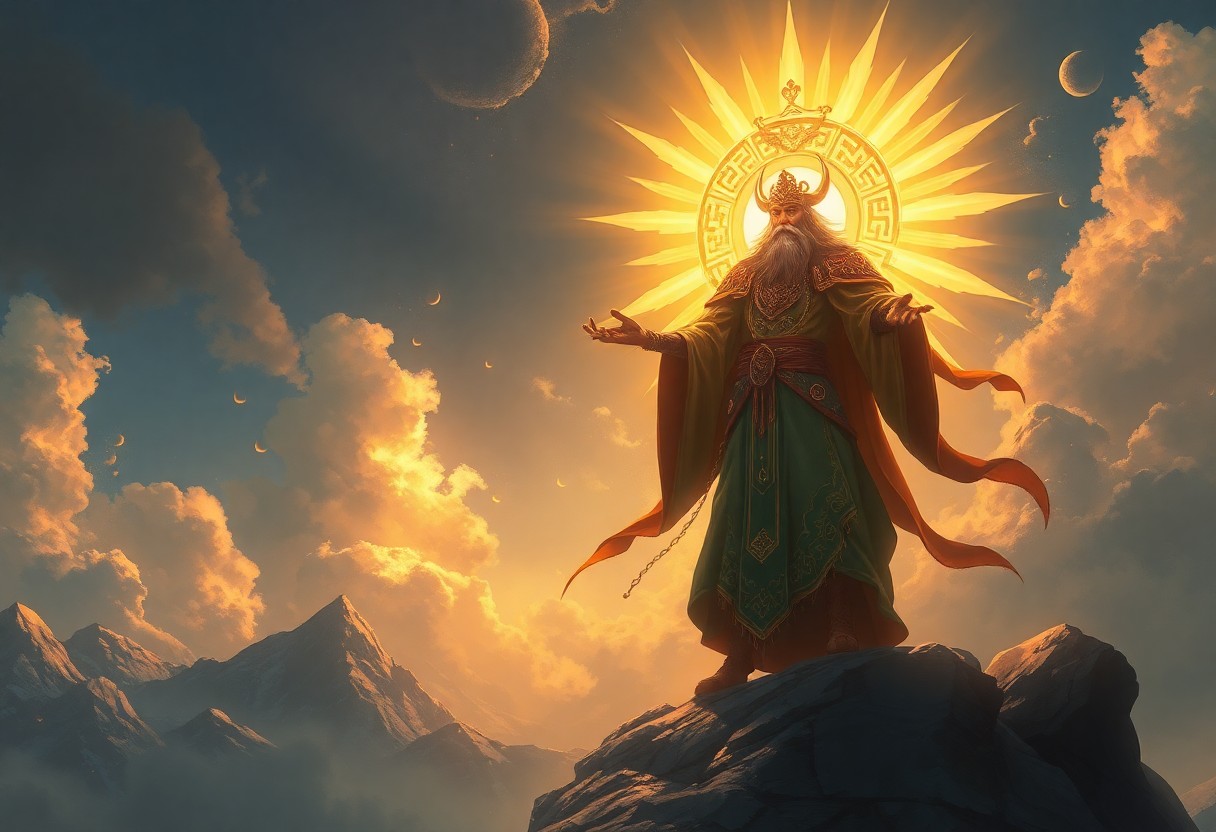
A comprehensive understanding of Dazhboh requires you to consider the historical backdrop of the Slavic people, who inhabited a vast region across Eastern Europe. This cultural landscape was influenced by various tribes and neighboring civilizations, each contributing to a rich tapestry of beliefs and practices. Dazhboh emerged as a pivotal figure in this context, embodying the sun’s life-giving energy and illustrating the Slavic connection to nature. Over centuries, this deity’s significance evolved, reflecting shifting social structures, agricultural practices, and spiritual needs.
Origins of Dazhboh
On exploring the origins of Dazhboh, you find traces in ancient Slavic texts and linguistic studies that suggest his roots may extend back to Indo-European mythology. The term “Dazhboh” itself hints at a connection to various sun deities revered in pre-Christian Slavic culture, providing valuable insights into his enduring veneration across different regions and tribes. The stories surrounding Dazhboh often emphasize themes of rebirth and renewal, aligning with the sun’s daily journey across the sky.
Dazhboh in Slavic Mythology
Along with his role as a sun god, Dazhboh’s presence in Slavic mythology underscores his importance as a symbol of fertility, growth, and light. You’ll find that he was often depicted in various rituals intended to ensure agricultural prosperity, as his warming rays were believed to nurture the earth. His figure became a focal point for celebrations tied to the seasonal cycles, highlighting the culture’s deep-rooted relationship with solar rhythms.
For instance, Dazhboh was frequently celebrated during seasonal festivals such as Kupala Night, where his influence was invoked for bountiful harvests. Folk tales often depicted him as a benevolent figure guiding farmers through challenges, equating his shining brilliance with hope and abundance. The duality of Dazhboh as both a nurturing presence and a powerful cosmic force illustrates his complex relationship with life and death, resonating with the Slavic people’s understanding of the natural world. Understanding Dazhboh in this mythological framework helps you appreciate the spiritual significance attributed to him by ancient Slavs, providing insight into their values and aspirations.
Symbolism and Attributes
Any discussion of Dazhboh inevitably brings forth his profound symbolism and divine attributes, which embody the essence of sunlight and all it represents. As the Slavic Sun God, Dazhboh is associated with vitality, warmth, and growth, reflecting the life-giving energy bestowed upon the earth during the sun’s ascent in the sky. His presence in Slavic mythology invites you to explore the deeper meanings tied to light and warmth in your own life, inspiring a connection to nature and the cyclical rhythms of existence.
Sun as a Life-Giving Force
Between the rays that illuminate your surroundings and the warmth that nurtures life, the sun represents an imperative life-giving force in both nature and spirituality. In Slavic beliefs, sunlight nurtures crops, supports the flora and fauna, and symbolizes health and prosperity. Your understanding of Dazhboh can deepen when you consider how sunlight impacts your daily life, reminding you of the balance between light and darkness as a natural rhythm.
Cultural Representations of Dazhboh
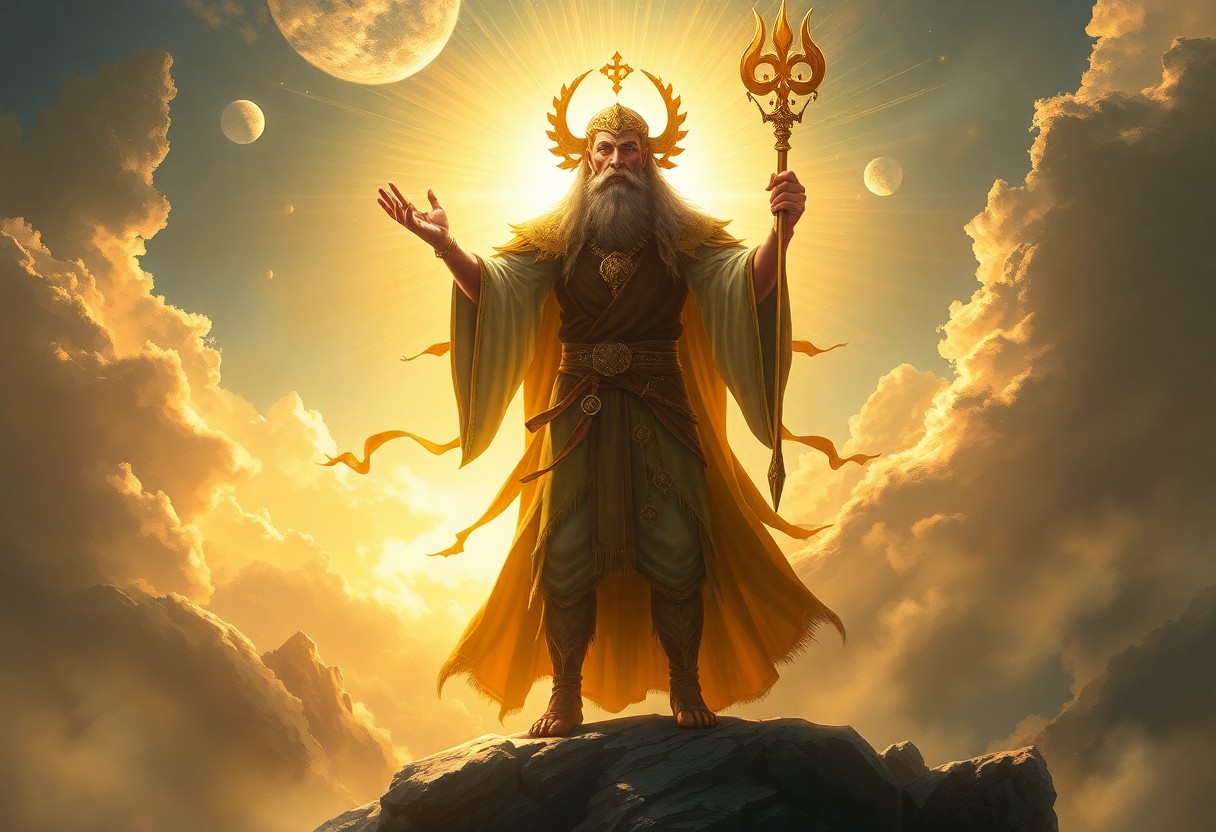
Representations of Dazhboh often reflect the rich tapestry of Slavic culture, illustrating his pivotal role in agricultural rites and seasonal festivals. Artworks, folklore, and rituals showcase him as a figure of strength and abundance, embodying the rejuvenating power of sunlight. These representations serve to connect you with Slavic heritage, as they capture the essence of community and the reverence given to nature’s cycles.
Symbolism encompasses Dazhboh not just as a deity, but also as a vital element in your understanding of the interconnectedness of life. Through the lens of cultural representations, you can witness his influence in various forms of art and storytelling, presenting him as the source of energy that fuels life’s vibrancy. These narratives allow you to appreciate how ancient Slavic communities expressed their relationship with the sun and the blessings it brings, deepening your connection to both the past and the natural world around you.
Dazhboh in Rituals and Festivals
Assuming you explore the rich tapestry of Slavic culture, you will find Dazhboh deeply embedded in rituals and festivals. As the Sun God, he played an crucial role in shaping agricultural cycles and seasonal celebrations, highlighting the connection between the divine and nature. These rituals were not only about worship but also reinforced community bonds and shared identity among the people.
Celebrations of the Summer Solstice
For many Slavic communities, the Summer Solstice marked a time of jubilant festivities honoring Dazhboh’s vital role in providing sunlight and warmth. You might find vibrant bonfires, folk dances, and songs that celebrate the Sun’s strength. These communal activities foster a strong sense of unity, as families gather to give thanks for abundant harvests and the sun’s life-giving energy.
Agricultural Practices and Sun Worship
With the arrival of planting and harvest seasons, agricultural practices were closely tied to the worship of Dazhboh. You should understand that these rituals were integral in ensuring successful crops, as farmers sought his favor and invoked his blessings for growth and fertility.
Dazhboh represented the life-giving force of the sun, and his worship influenced various agricultural customs. You may learn that planting and harvesting often coincided with specific solar events, and rituals could include offerings of bread or grains to appease him. Farmers would chant prayers and perform rites under the open skies, acknowledging the Sun God’s crucial role in their livelihood. Through these practices, the Slavs expressed gratitude for the sunlight that nourished their fields and reaffirmed their reliance on divine forces for a bountiful harvest.
Dazhboh’s Influence on Modern Slavic Culture
Your understanding of Slavic culture is incomplete without acknowledging Dazhboh, the revered Sun God. His presence can be felt in various aspects of contemporary Slavic societies, from folklore to modern rituals. Scholars and enthusiasts alike continue to explore his legacy, resulting in a revival of interest in ancient pagan traditions that draw on the wisdom and symbolism associated with Dazhboh. By recognizing his lasting impact, you can appreciate the richness of Slavic heritage and its evolving relationship with its mythic past.
Revival of Pagan Practices
Among the various forms of cultural revival within Slavic communities, the resurgence of pagan practices directly linked to Dazhboh stands out. As people seek deeper connections to their roots, ceremonies that honor the Sun God are being integrated into modern life. Festivals celebrating the summer solstice and seasonal changes often feature rituals dedicated to Dazhboh, fostering a communal spirit. This revival not only reconnects individuals with their ancestry, but also emphasizes nature’s enduring significance in contemporary life.
Dazhboh in Contemporary Art and Literature
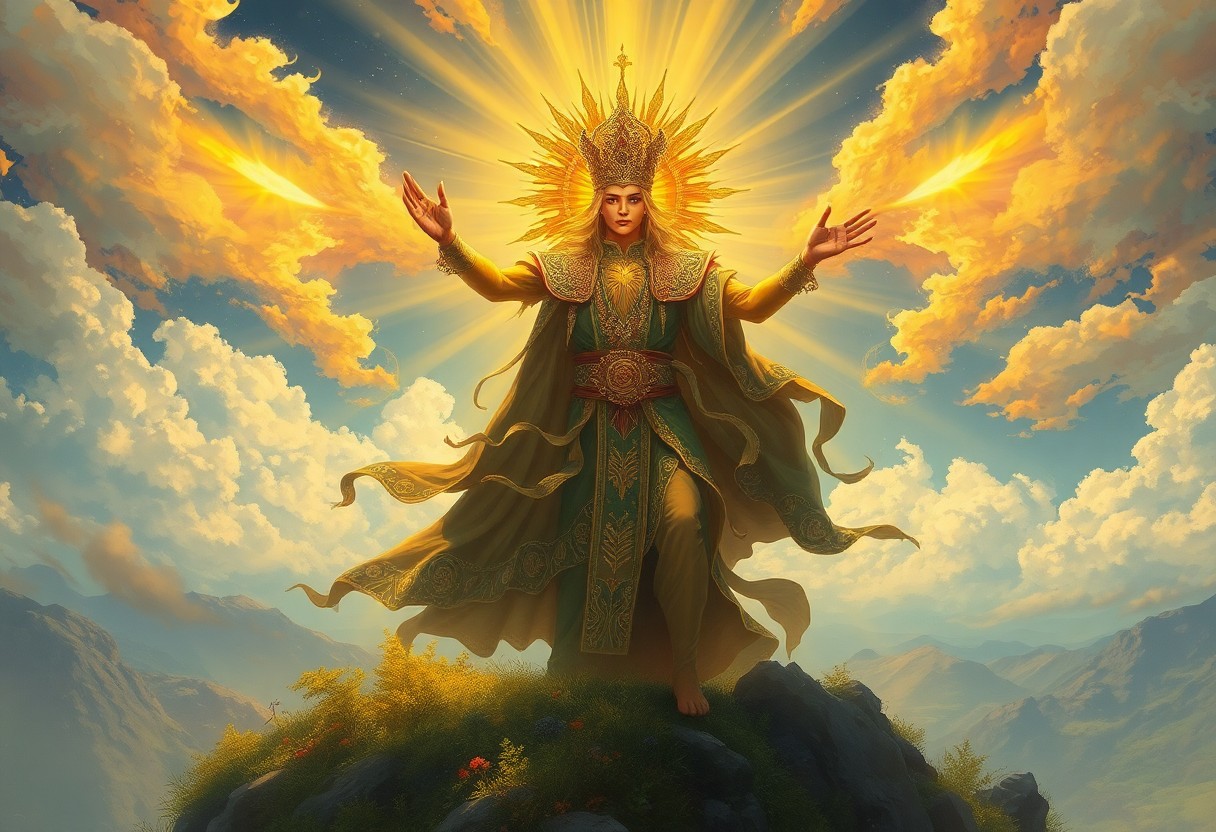
Below the surface of contemporary art and literature, the essence of Dazhboh continues to inspire creativity. Artists and writers have incorporated themes related to the Sun God, exploring concepts of light, fertility, and rebirth. Not only do these works revive ancient narratives, but they also serve as a medium for cultural dialogue, reflecting both personal and collective interpretations of Dazhboh’s essence today.
Revival in art and literature surrounding Dazhboh emphasizes a deep-rooted connection to identity and heritage. Artistic expressions often depict rich symbolism associated with the Sun, such as warmth and growth, encouraging you to contemplate these themes in your own life. Modern interpretations, ranging from illustrations to poetry, transport you into the world of Slavic mythology while inviting you to engage with significance that Dazhboh embodies. As you research into these modern creations, you’ll find a reinvigoration of ancient tales that continue to resonate, offering insight into the universal human experience.
Comparative Analysis
All cultures have their interpretations of solar deities, and Dazhboh stands as a fascinating example among them. This analysis underscores similarities and distinctions in the portrayal of sun gods across different traditions.
| Dazhboh (Slavic) | Ra (Egyptian) |
| Embodiment of light and warmth | Source of life and fertility |
| Associated with harvest and prosperity | Symbol of resurrection and renewal |
| Cultivated through rituals and offerings | Worshipped through temples and festivals |
Dazhboh and Other Sun Deities
Between Dazhboh and other sun deities, you will find both shared themes and unique traits. While most sun gods symbolize life-giving properties, the regional contexts shape their significance and the rituals associated with them.
Cross-Cultural Perspectives on Solar Worship
Dazhboh represents one of many cultural responses to the sun’s life-sustaining power. These sun deities draw admiration and worship predominantly because of their perceived influences on earthly phenomena.
Due to the universal reliance on sunlight for crops and survival, you can observe a patterned reverence across cultures. Solar worship transcends geographical barriers, manifesting in setting rituals, seasonal festivals, and artistic depictions, reflecting humanity’s connection to this potent celestial force. Each culture, while addressing similar needs, curates its unique narrative around solar deity reverence that enriches our understanding of Dazhboh within a global context.
Conclusion
Considering all points, you can appreciate the significance of Dazhboh as the Sun God in Slavic mythology. His role as a life-giving force highlights the deep connection between the Slavic people, their culture, and the natural world. Understanding Dazhboh not only enriches your knowledge of Slavic traditions but also reflects the broader themes of light, growth, and sustenance present in many mythologies. As you explore further, you’ll find that Dazhboh embodies the imperative qualities that resonate with humanity’s enduring reverence for the sun.


