
There’s a haunting legend that follows the phenomenon known as Potercha, a tale woven into the very fabric of childhood fears and folklore. This mysterious concept represents the restless spirits of lost children, capturing the imagination of many. As you probe into this intriguing topic, you’ll explore the history, cultural significance, and the chilling stories associated with Potercha, unearthing what lies behind these restless souls that continue to echo through time.
Historical Context of Potercha
For centuries, the legend of Potercha has intrigued and haunted communities, often serving as a cautionary tale for children. Understanding the backdrop of this chilling folklore reveals how societal fears and values shaped its narrative, allowing you to appreciate the depth of its meaning within your cultural landscape. This exploration uncovers the historical events, societal norms, and familial ties that have contributed to the story’s endurance through generations.
Origins of the Legend
Before the tale of Potercha became widely known, it was rooted in local folklore, whispered among families as a means to explain the tragic disappearances of children throughout history. You might find it fascinating that these stories often drew from actual events, intertwined with the community’s desire to make sense of loss and longing, creating a legend that resonates deeply with humanity’s fears of the unknown.
Cultural Significance
To fully grasp the cultural significance of the Potercha legend, it’s necessary to recognize how it has evolved over time, shaping both communal identity and individual experiences. The narrative serves as a reminder of the fragility of life, reinforcing values such as vigilance and care in child-rearing practices. You will see that the tale not only reflects the fears associated with childhood but also helps to foster a sense of belonging and shared history in the community.
In addition to conveying warnings about nurturing and protection, the tale of Potercha often serves as a means of cultural transmission, teaching future generations about their heritage. You may find that storytelling, in this context, plays a vital role in maintaining familial bonds while also instilling moral lessons. The legend encourages community members to come together, sharing stories that remind them of their collective past, thereby solidifying their cultural identity. Overall, its significance lies in the way it navigates the delicate balance between fear and love, profoundly influencing how you perceive life and loss.
The Nature of the Restless Souls
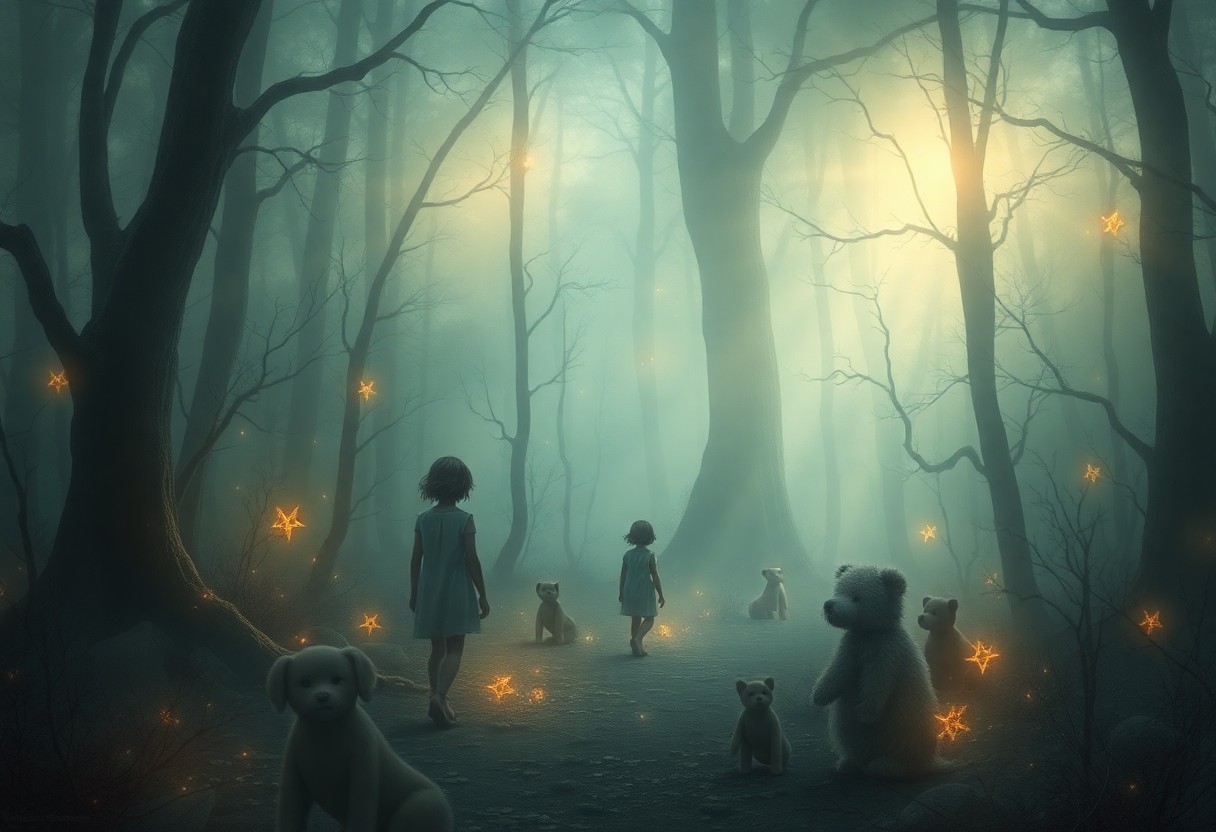
Clearly, the restless souls of lost children embody a deep emotional and spiritual turmoil. These spirits, often caught between realms, long for connection and solace, unable to find peace. They are shrouded in sorrow, reflecting their tragic circumstances and the profound impact of being lost. Understanding their nature allows you to grasp their plight, urging a compassionate approach to these lingering spirits.
Characteristics and Manifestations
The restless souls often manifest through a variety of unsettling characteristics. You might encounter sudden cold drafts, fleeting shadows, or the distinct sound of children’s laughter echoing in empty spaces. These manifestations serve as a reminder of their existence, urging you to acknowledge their pain and vulnerability.
The Connection to Lost Children
Nature has intertwined the essence of lost children with the experiences of restless souls. Each spirit carries the weight of its untimely departure, creating an emotional resonance that echoes throughout time. You may feel an inexplicable pull towards places where tragedy occurred, as these spirits seek companionship and understanding. The stories of lost children remind you of the innocence taken too soon and the ongoing quest for peace and resolution.
At times, the connection to these lost souls may feel palpable, like a whisper in the wind or a fleeting presence. You can sense their yearning for closure and comfort, imploring you to remember their stories. Engaging in empathetic practices and rituals can create a bridge between realms, allowing you to honor their memory while also acknowledging your own feelings of loss and grief. By recognizing their existence, you actively participate in the healing journey for both yourself and these restless souls.
Spiritual Interpretations
Any exploration of spiritual interpretations surrounding Potercha reveals a deep connection between the souls of lost children and the unseen. Many believe that these restless spirits serve as a reminder of innocence fleeting, haunting locations tied to their memories. Such interpretations provide a framework for understanding the experiences you may hear from those who claim to have encountered the essence of these children, often leading to a blend of reverence and sorrow.
Folklore and Mythology
About Potercha, folklore and mythology often intertwine, enriching the narrative of lost children’s spirits. Various cultures depict these souls as playful yet sorrowful beings, symbolizing the fragility of life and the importance of cherishing childhood. You may find that these stories evolve, capturing local beliefs and experiences, allowing communities to connect through shared tales that honor the journeys of these lost souls.
Psychological Perspectives
Along with spiritual interpretations, psychological perspectives provide insight into the phenomenon of Potercha. Many scholars explore how the loss of children affects the collective consciousness and how grief may manifest in different forms, including the belief in restless spirits. Engaging with these views can help you comprehend how individuals and societies cope with loss and find meaning in their experiences.
Psychological perspectives research into the emotional and cognitive responses you might experience when encountering stories about Potercha. The persistence of these narratives may reflect a collective need to process grief and loss, while also serving as a coping mechanism. This understanding encourages you to reflect on your perceptions of life, death, and the intertwined nature of memory and loss, prompting deeper introspection about your own experiences with childhood and its emotional echoes.
Effects on the Community
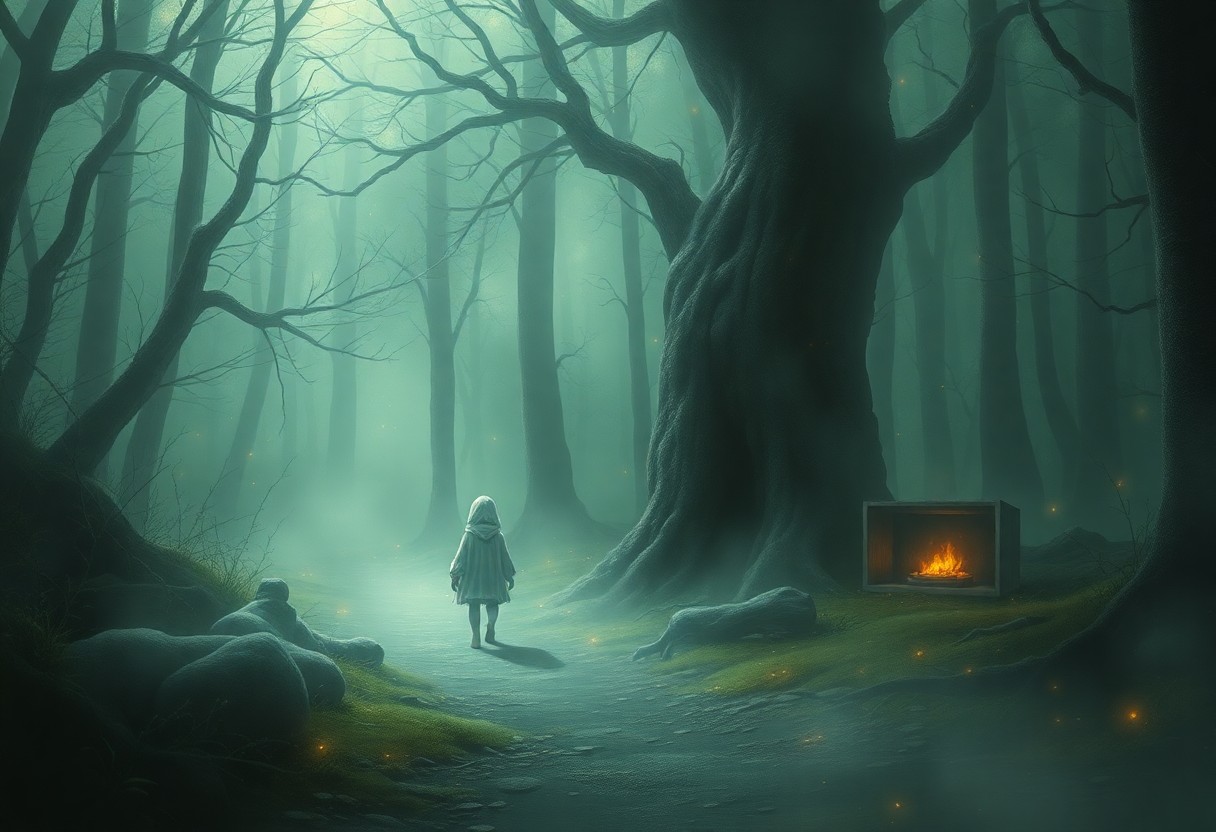
Now, the phenomenon of Potercha has led to significant changes within your community. Families often live in a state of heightened fear and uncertainty, impacting daily life and social interactions. You may notice a rise in mental health challenges among parents and children alike, as the loss of young lives reverberates through schools, neighborhoods, and local gatherings, fostering a sense of collective grief and anxiety.
Social Implications
Social gatherings have become somber occasions as communities grapple with the sorrow of losing children. You will find that conversations often pivot towards protective measures and how to keep children safe, affecting relationships, parenting practices, and communal events.
Rituals and Remembrances
Social support has emerged through rituals and ceremonies dedicated to the lost children, fostering a sense of unity within your community. These gatherings act as a vital outlet for grief and healing, allowing families to share their stories and experiences. You may notice candlelight vigils, remembrance walks, or community art projects created to honor the memories of these young souls, reinforcing communal bonds during such difficult times.
This sense of togetherness is important as you navigate the shared pain of loss. Engaging in rituals like planting memorial gardens or creating art installations can provide opportunities for emotional expression and healing. While these acts won’t erase the grief, they will help you and your community maintain a connection to the lost children, transforming sorrow into a collective commitment to nurture and protect the youth in your midst.
Modern Adaptations of the Legend
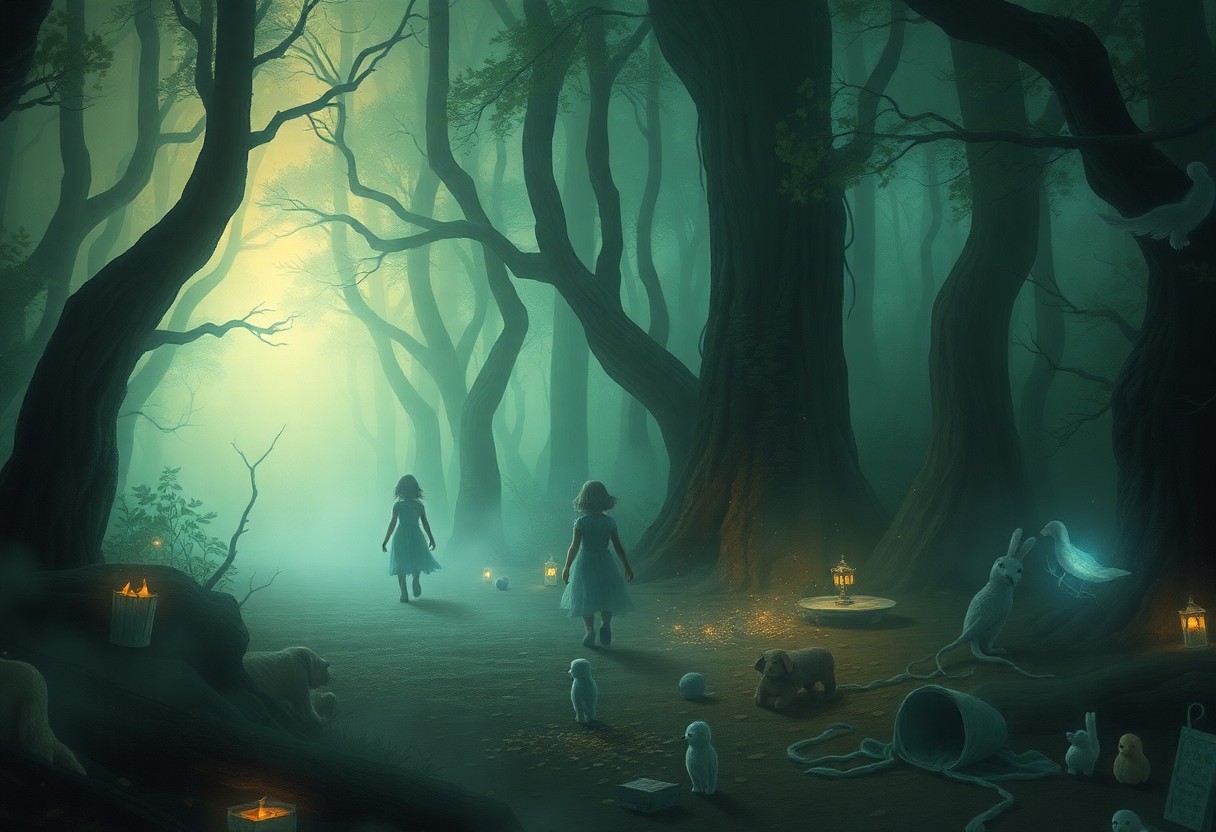
Unlike the original tales that echo through folklore, modern adaptations of the Potercha legend have taken on new forms, resonating with contemporary audiences. Various authors and creators have reimagined the narrative to reflect current societal issues, combining horror with themes of loss, childhood innocence, and the quest for belonging. These adaptations serve to not only preserve the essence of the legend but also to explore deeper emotional connections that you may find relatable today.
Literature and Art
On the canvas of modern literature and art, the essence of Potercha has been woven into diverse narratives and visual representations. You might encounter poems that explore the emotional struggles of lost children or paintings that depict haunting landscapes reminiscent of the legend’s somber origins. These interpretations can offer fresh perspectives, allowing you to engage with the myth in a way that feels both relevant and thought-provoking.
Media Representations
Legend has a way of permeating various media formats, from film and television to podcasts and video games. The narrative of Potercha has inspired a wave of adaptations that transform the dark themes of the legend into thrilling and accessible entertainment for you, the audience. These representations often emphasize the haunting nature of lost souls while incorporating elements that resonate with modern experiences.
Representations of the Potercha myth in media capture your imagination, often blending the eerie aspects of folklore with contemporary storytelling techniques. You might find films that probe into psychological horror, where the restless souls reflect inner turmoil, or video games that challenge you to confront moral dilemmas akin to the plight of lost children. These adaptations not only keep the myth alive but also allow you to explore its themes through various lenses, making the legend more relevant to your own experiences and emotions.
The Role of Memory and Grief
Not every memory can be cherished; some linger in shadows, steeped in grief. As you navigate the delicate balance between remembrance and sorrow, understanding the interplay of these emotions may guide you in acknowledging your pain while honoring those lost. Grief often feels like an overwhelming burden, but it can also be a conduit for connection, helping you navigate the landscape of loss with compassion for both yourself and others.
Collective Memory
The shared experiences of loss create a tapestry of collective memory, binding communities together through common mourning. These connections provide a sense of belonging, reminding you that you are not alone in your struggle. Such memories often inspire rituals, stories, and spaces where individuals can gather and express their sorrow, reinforcing the bonds forged in suffering while offering solace in community support.
Healing and Closure
Memory plays an intricate role in your journey toward healing and closure after loss. By processing your emotions and engaging with the memories of those lost, you allow yourself the necessary space to grieve as well as to find peace in your heart.
Closure comes through the recognition and acceptance of your feelings around loss. It’s about embracing the complexity of your emotions while finding ways to move forward. Engaging with memories can provide a bridge to healthier coping mechanisms, allowing you to transform pain into a poignant remembrance that celebrates life, rather than solely focusing on absence. This transition can empower you towards a path of healing, deepening your understanding of your grief and fostering resilience in the face of heartache.
Conclusion
Upon reflecting, you will find that “Potercha – The Restless Souls of Lost Children” offers a profound exploration of loss and the enduring impact of childhood tragedies. This piece serves not only as a narrative of sorrow but also as a reminder of the resilience found in shared stories. As you engage with these tales, you may begin to comprehend the deeper emotional connections that bind us to the past and the importance of acknowledging the voices of the lost. Embrace this opportunity to reflect on how these narratives can inform your understanding of grief and healing.


