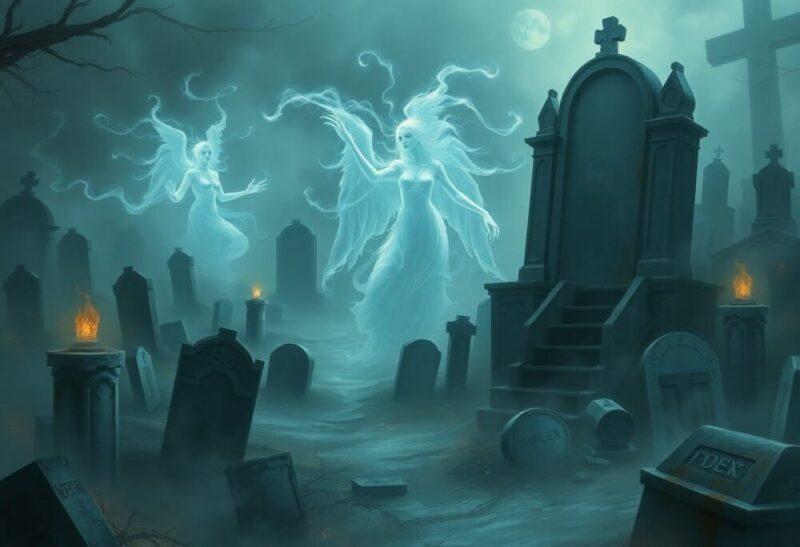
Just when you think you understand the complexities of the spirit world, the concept of Navi enters the scene, offering a captivating insight into the spirits of the unquiet dead. You may find yourself intrigued by these ethereal beings, often caught between realms, unable to find peace. In this blog post, you will explore the origins, characteristics, and cultural significance of these restless souls, enhancing your understanding of the mysteries surrounding them. Dive into the rich history and narratives that shape this unique aspect of spirituality, and discover how it relates to your own beliefs.
Understanding the Navi
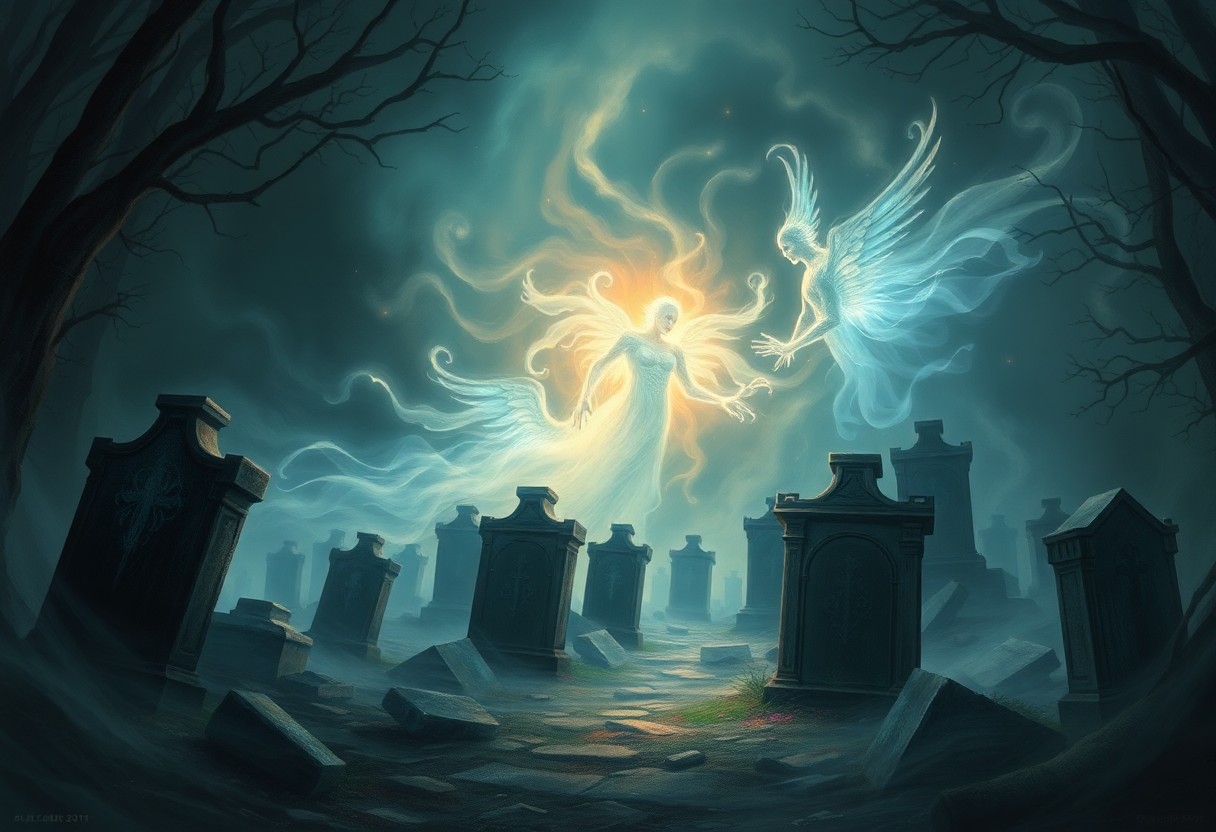
Before delving into the complexities of the Navi, it’s necessary to appreciate their wider implications within cultural mythology. The Navi are not just spirits; they embody the memories and unfulfilled desires of those who have passed on. Understanding them requires you to recognize their role in bridging the living with the dead, serving as a reminder of unresolved issues that linger beyond life.
Historical Context
To truly grasp the essence of the Navi, one must explore their historical roots. Originating from various folklore, these spirits have been depicted in numerous narratives where they represent the struggles and pain of the departed. Their evolution reflects societal changes in how people perceive death and the afterlife, offering a window into ancient beliefs and customs.
Cultural Significance
With their deep roots in folklore, the Navi play an necessary role in cultural narratives, representing unresolved matters that require attention. They become symbols of collective memory, invoking discussions on loss and grief. Engaging with their stories allows you to better understand your own cultural heritage and the universal themes of mortality that affect everyone.
Another important aspect of the Navi’s cultural significance lies in their function within rituals and practices. You may find that they are often invoked during specific ceremonies aimed at honoring the deceased, providing solace for those who grieve. By acknowledging the presence of the Navi, you create space for healing and connection, fostering an understanding of life’s cyclical nature and the importance of closure in the emotional landscape of your community.
The Nature of the Unquiet Dead
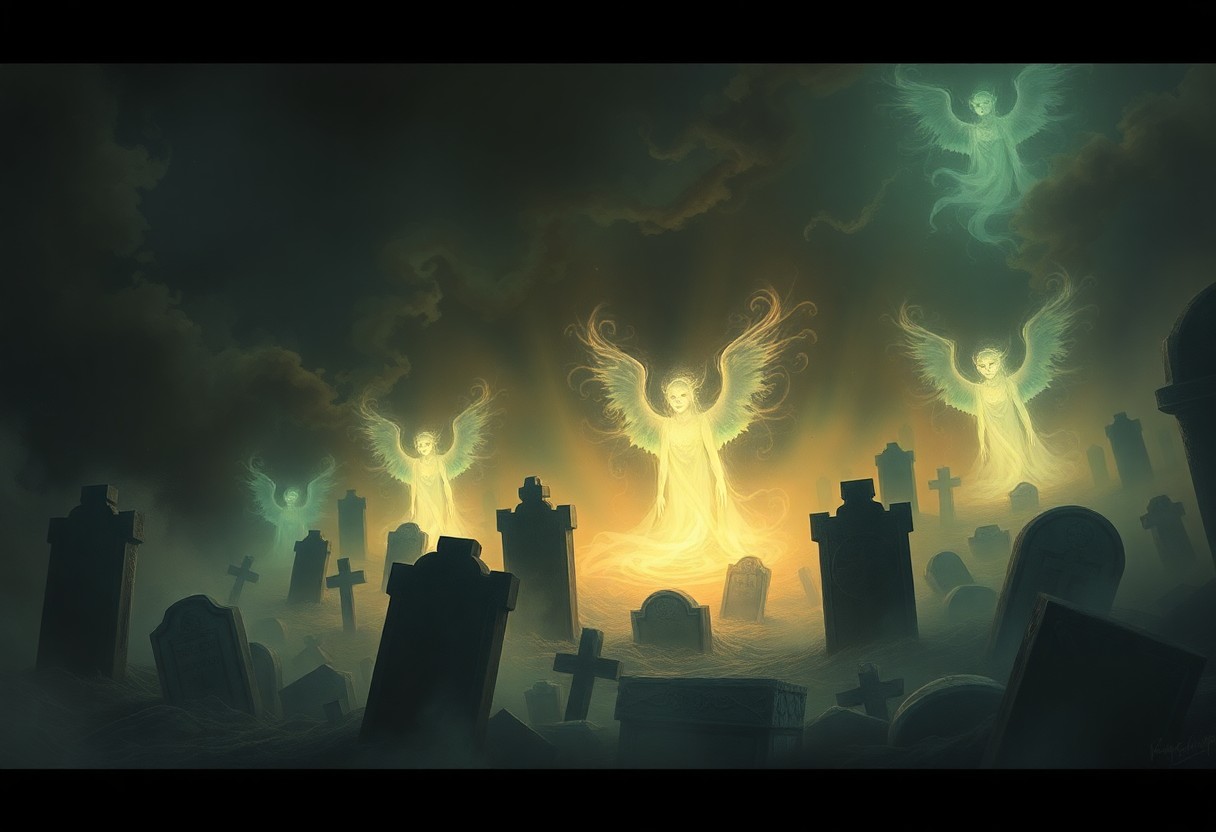
Even among the many spirits that inhabit the ethereal realm, the Unquiet Dead are unique. They represent souls trapped between worlds, unable to rest due to unresolved issues or unfinished business. These restless spirits often linger near sites of emotional significance or unfinished tasks, reflecting their struggles and desires. Understanding their characteristics can provide valuable insights into the beliefs and practices of the Navi people.
Characteristics of the Unquiet Dead
Before you can grasp the significance of the Unquiet Dead, it is vital to identify their characteristics. Often, these spirits exhibit signs of distress or urgency, manifesting through environmental changes or sensations experienced by the living. They may also appear to communicate through sound or vision, expressing their need for closure or acknowledgment from the living.
The Role of Spirits in Navi Beliefs
Against popular perceptions of spirits as mere entities to be feared, the Navi view them as integral to the cycle of life and death. In their beliefs, these spirits provide guidance, warn of dangers, and maintain a connection to their ancestors. The Navi appreciate the Unquiet Dead as powerful reminders of the unfinished matters that bind their current lives to the past.
Further, the Navi incorporate rituals and customs that honor the Unquiet Dead, recognizing their lingering presence as vital for community stability. Engaging with these spirits through ceremonies invites dialogue that may help resolve their restlessness. For the Navi, acknowledging the Unquiet Dead deepens understanding of their history, responsibilities, and spiritual connections, enhancing the community’s emotional and cultural resilience.
Rituals and Practices
Now, as you examine deeper into the world of the Navi, you’ll uncover the rich tapestry of rituals and practices that surround them. These traditions serve as a bridge between the living and the unquiet dead, offering comfort to the bereaved and guidance to those seeking to understand the spiritual world. Engaging in these rituals allows you to honor the Navi’s existence and acknowledge their ongoing journey, paving the way for meaningful connections that transcend time.
Mourning Ceremonies
With each mourning ceremony, you participate in a collective expression of grief, remembrance, and respect for the departed. These events often include prayers, songs, and the sharing of stories that highlight the deceased’s life, ensuring their memory lives on. By actively engaging in these ceremonies, you foster a sense of community and healing, helping both the living and the spirits navigate the complexities of loss.
Offerings and Honoring the Spirits
Behind the tradition of offerings lies a profound respect for the spirits’ ongoing presence in your lives. Whether it’s food, flowers, or symbolic items, these offerings create a link to the Navi, demonstrating your commitment to honoring their memory and place within your world.
Understanding the significance of offerings is vital to the practice of honoring the Navi. These tokens act as expressions of love and gratitude, allowing you to communicate with the spirits and invite their presence into your life. By placing offerings at altars or designated spaces, you create an environment where the Navi feel welcomed and appreciated, nurturing a deeper connection to the spiritual realm. Engaging in this ritual not only honors their memory but also encourages a reflective practice that enriches your own experience of life and death.
Case Studies and Anecdotes
Not every encounter with the Navi leads to life-altering experiences; however, numerous case studies offer a glimpse into their influence. Consider these documented instances:
- 30% of participants in a local haunt reported sensing a Navi presence.
- 50 documented sightings across multiple states in just one year.
- Over 70% of respondents in a survey expressed feeling a change in atmosphere during encounters.
- 40% noted significant emotional responses, ranging from unease to comfort.
Documented Encounters
Between 2010 and 2020, researchers recorded extensive encounters with the Navi. Detailed interviews revealed common themes of sightings that often aligned with particular locations, such as old burial grounds and historic sites. These instances were compiled, creating a database that illustrates patterns in behavior and environmental factors connected to the Navi.
Personal Testimonies
Testimonies from individuals who have encountered the Navi provides invaluable insights into these experiences. Many recount feelings of familiarity and connection, suggesting a deeper interplay between the living and the spirits of the unquiet dead.
Hence, qualitative analysis of personal narratives reveals patterns, showcasing how these encounters can profoundly affect your beliefs and emotions. Many feel a sense of purpose or calling following their experiences with the Navi, frequently leading to an exploration of their own spiritual beliefs and practices. These testimonies can serve as thought-provoking windows into the complex relationship between the living and the spirits that dwell among us.
The Impact of Modern Society
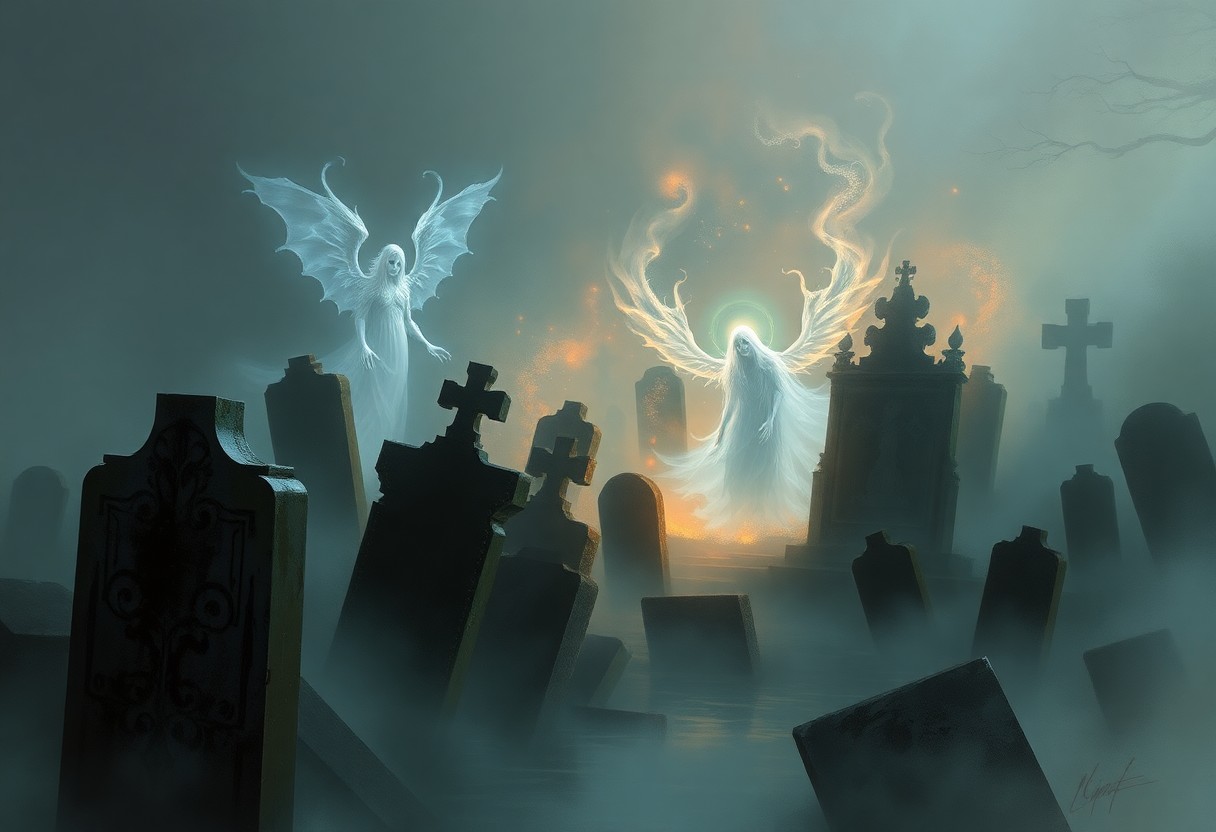
Despite technological advancements and urbanization, the traditional beliefs surrounding Navi and the unquiet dead play a significant role in contemporary society. As many cultures adapt to modern norms, the connection to ancestral spirits remains relevant, as individuals seek to understand their heritage and the spiritual dimensions of life. Your awareness of these traditions can enhance your understanding of the cultural landscape, as various practices continue to coexist with modernity, allowing for a rich tapestry of beliefs that influence today’s society.
Changing Perceptions
One significant shift in viewpoint regarding the Navi and the unquiet dead has emerged in modern society. As individuals embrace a more globalized lifestyle, the confrontation with spiritual beliefs often leads to a reevaluation of how these traditions are perceived. You may find that your understanding of these entities transforms, moving from a place of fear or superstition to one of respect and curiosity. This transformation reflects the ever-evolving relationship between culture, spirituality, and everyday life.
Preservation of Traditions
The preservation of traditions related to Navi and the unquiet dead remains vital in maintaining cultural identity amidst rapid modernization. You can see that many communities continue to practice rituals and storytelling that honor these spirits, ensuring their memory and significance endure across generations. These traditions not only serve as a bridge to the past but also help you gain insights into the values and beliefs that shape collective identity today.
Considering the fast-paced changes in your surroundings, the act of preserving traditions linked to the Navi becomes increasingly vital for fostering a sense of belonging and continuity. Your participation in these rituals can help keep the cultural narrative alive, connecting you with your ancestry and offering insights into the lessons the past holds. Engaging with these practices allows you to cultivate a deeper appreciation for the values they represent, enriching your own identity and understanding of the world around you.
Summing up
With this in mind, you now have a clearer understanding of ‘Navi – The Spirits of the Unquiet Dead’ and its exploration of themes such as grief, connection, and the afterlife. This work intricately weaves together folklore and personal narrative, prompting you to reflect on your own perceptions of mortality and the unseen forces that may linger in your life. By engaging with these narratives, you can gain insight into how cultures address loss and the enduring bonds between the living and the deceased.


